
Celebrating Leadership, Innovation, & the Future Competitiveness of Massachusetts
The Massachusetts High Technology Council’s 2026 Annual Meeting
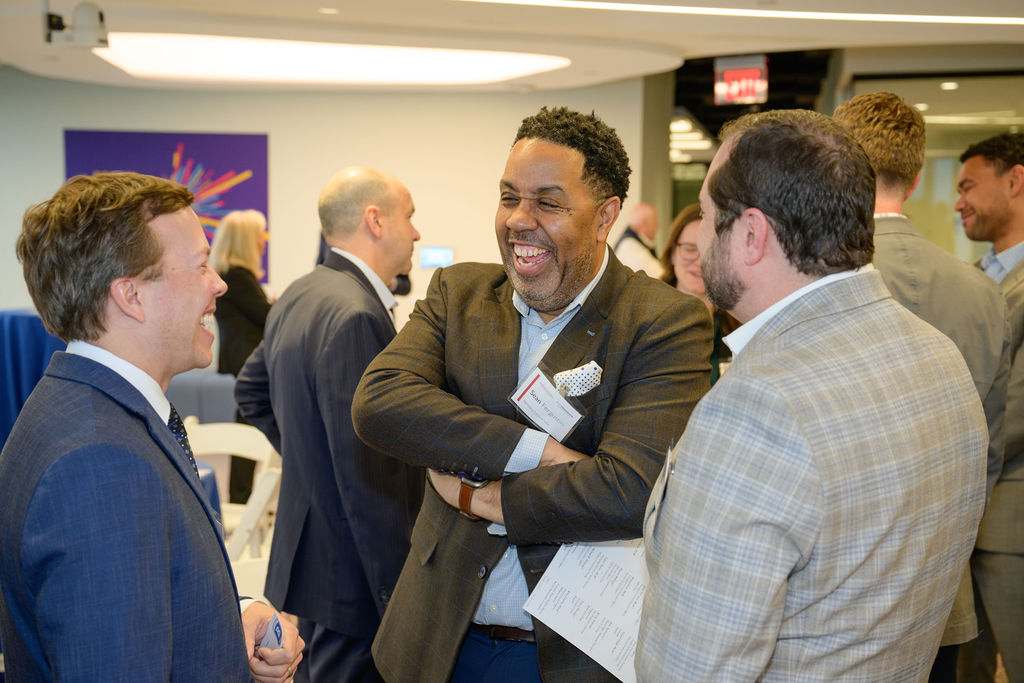
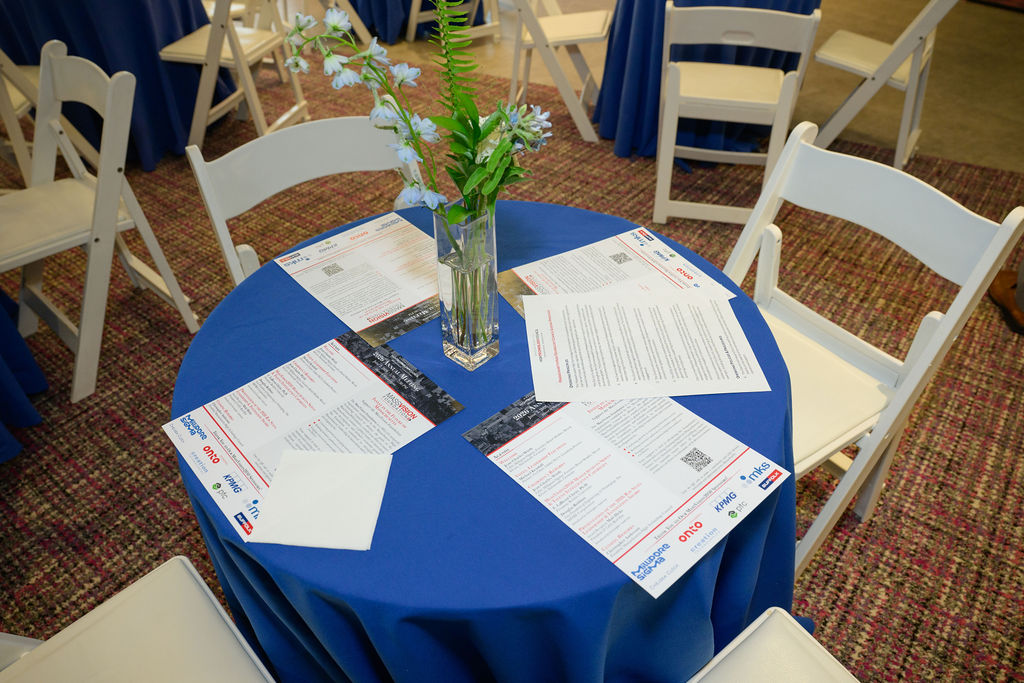
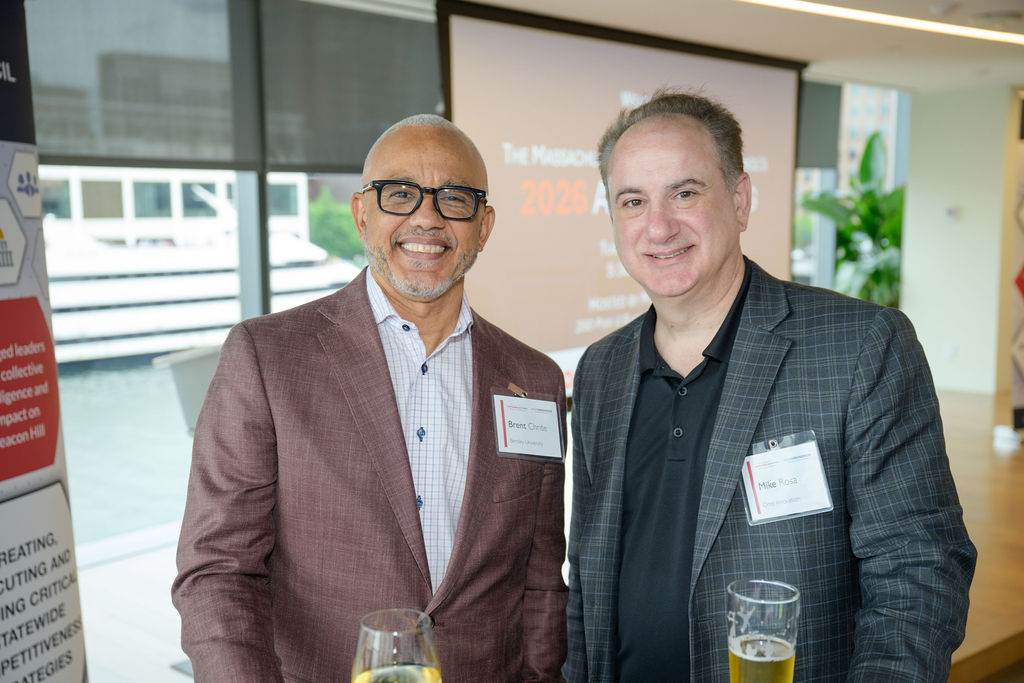
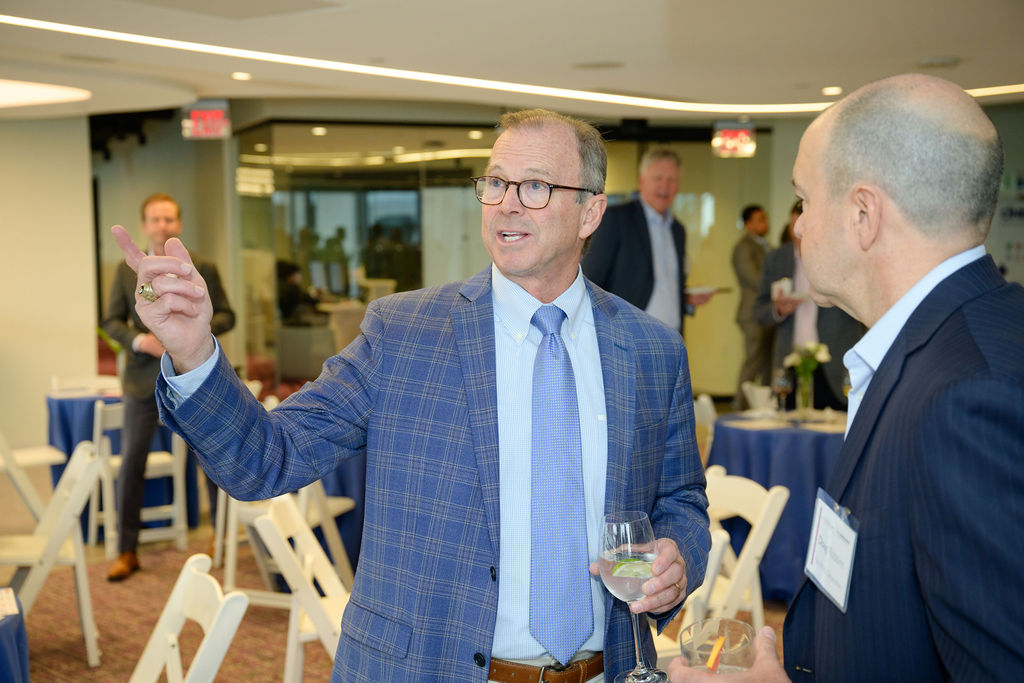
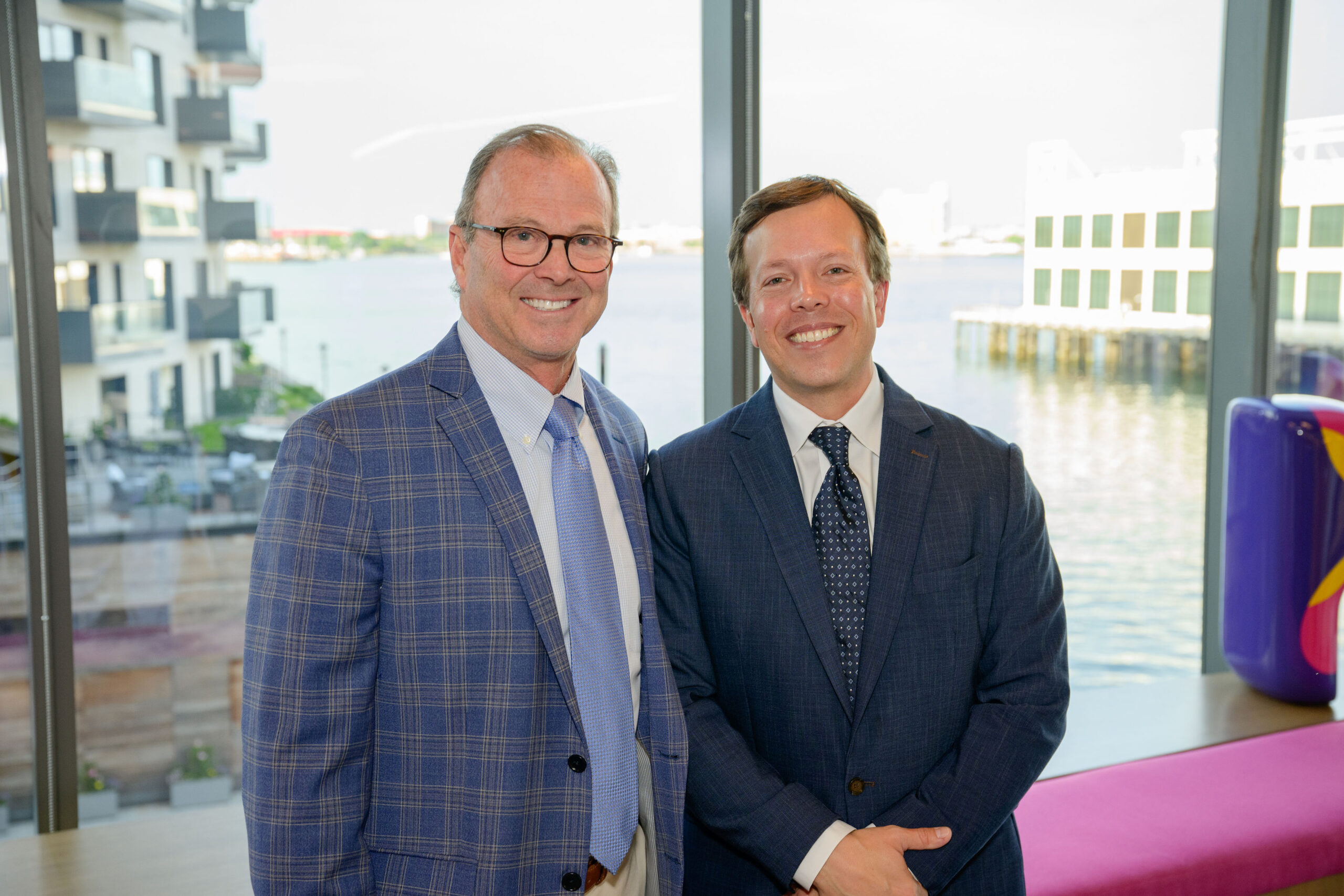
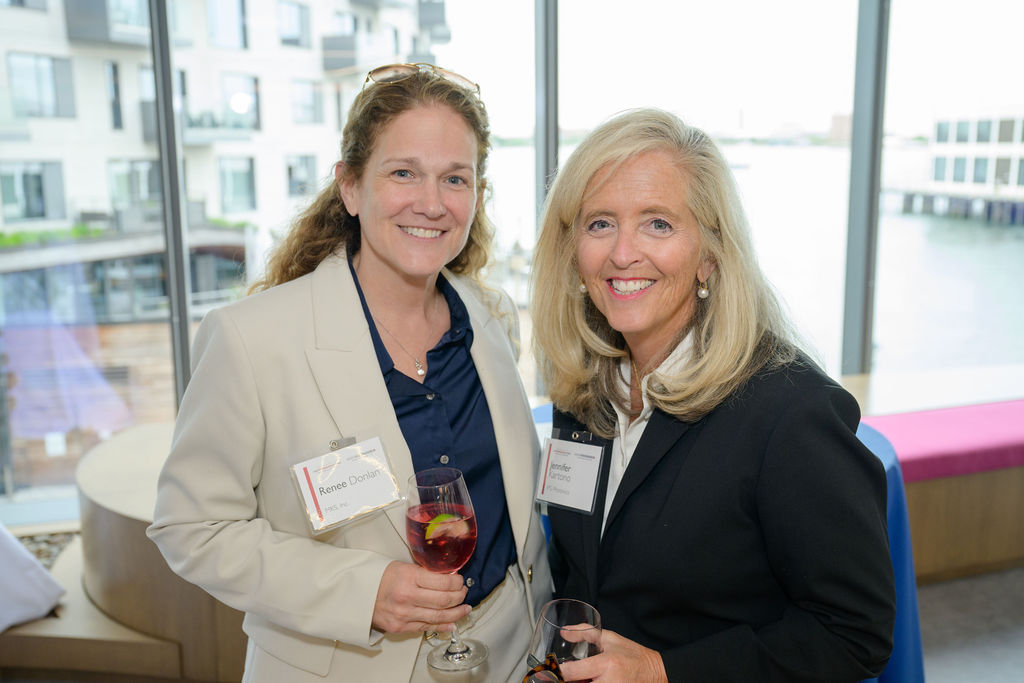
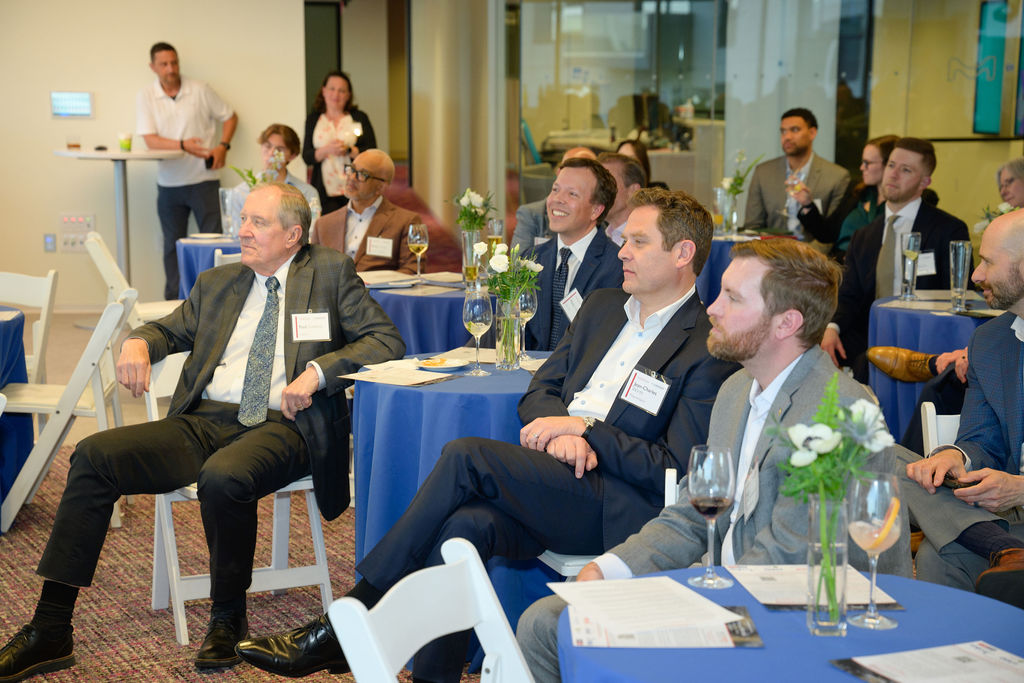
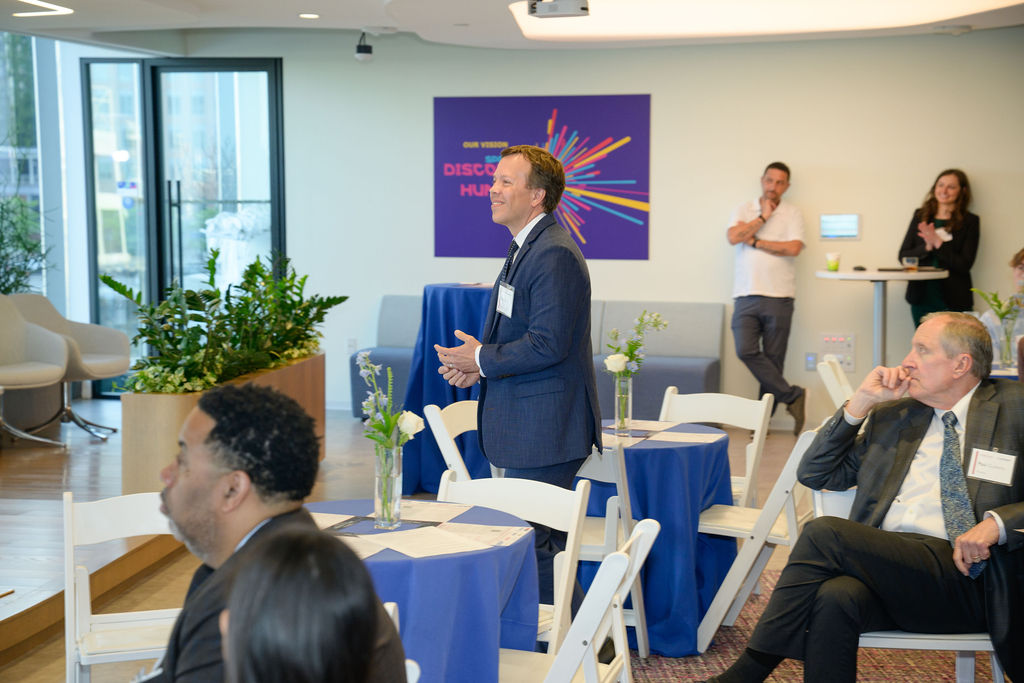
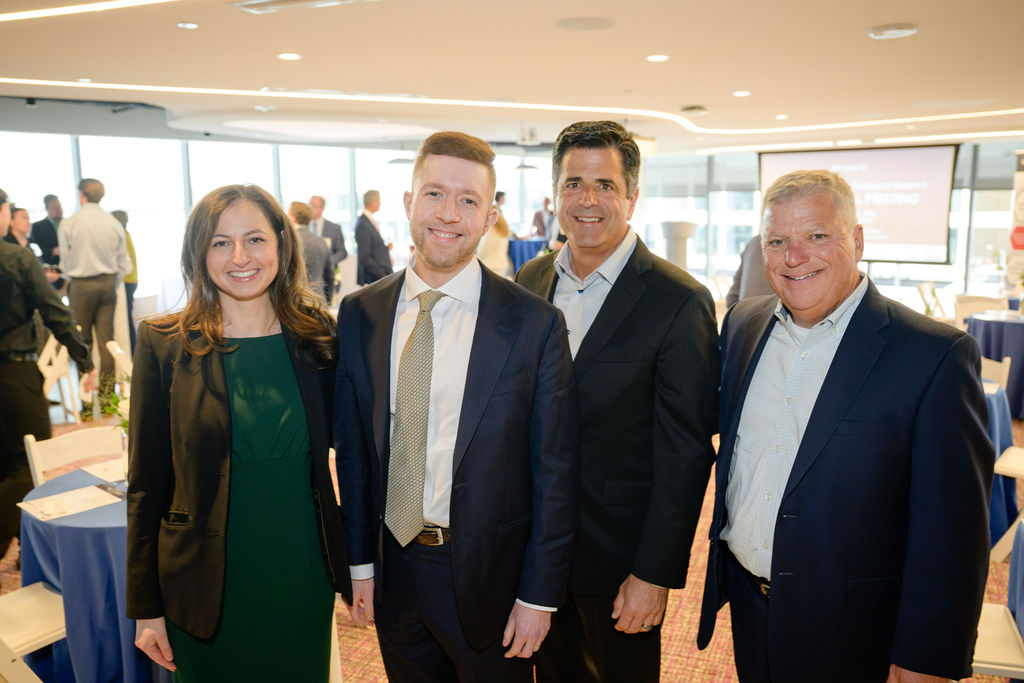
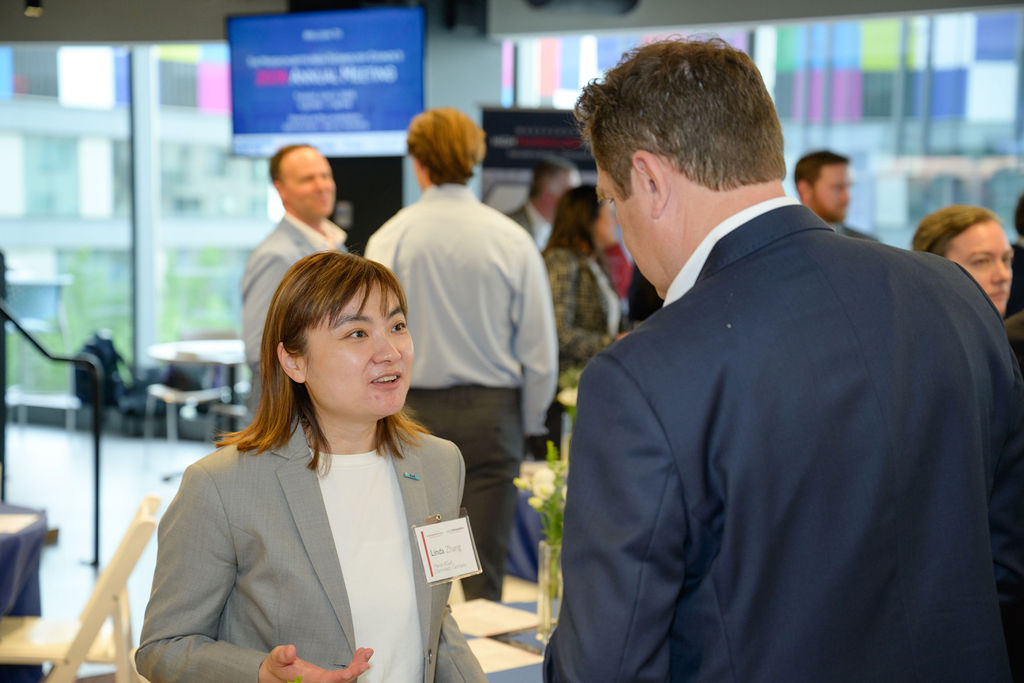
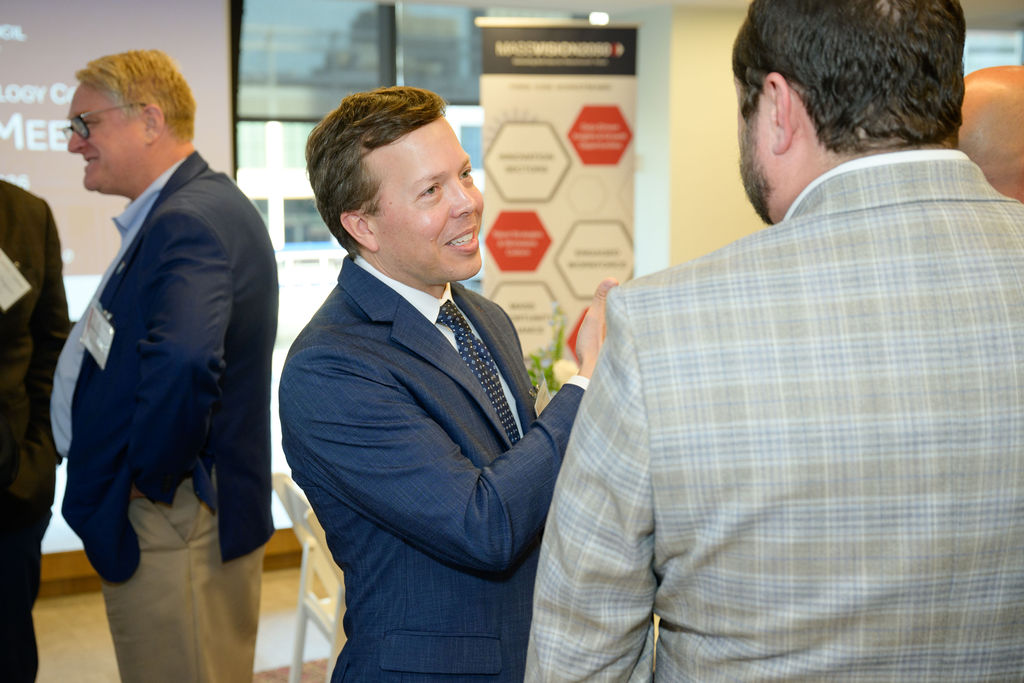
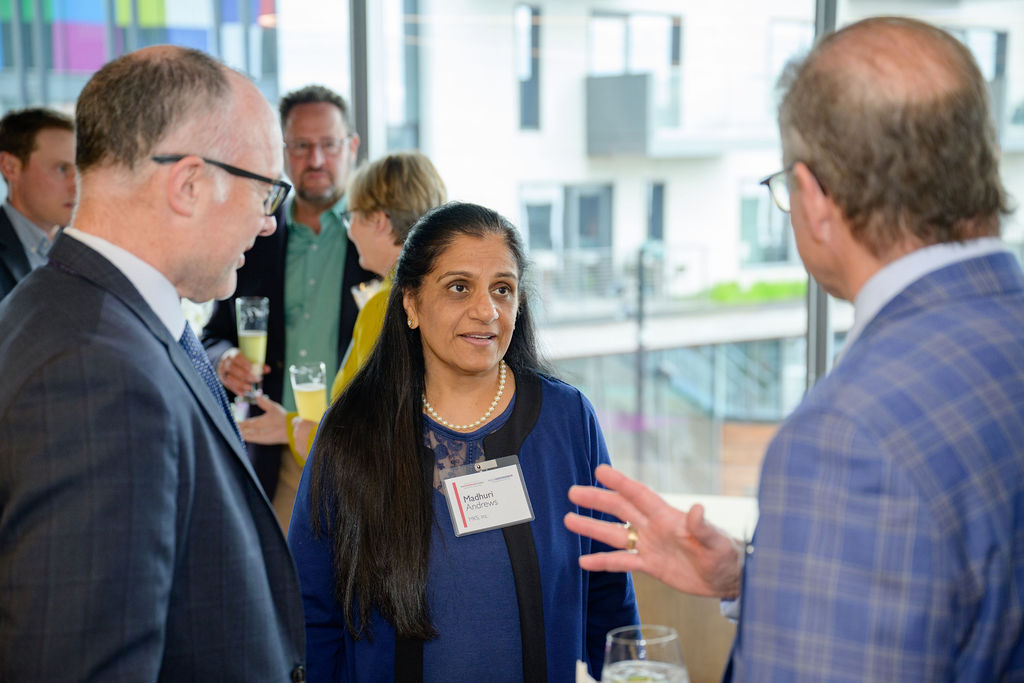
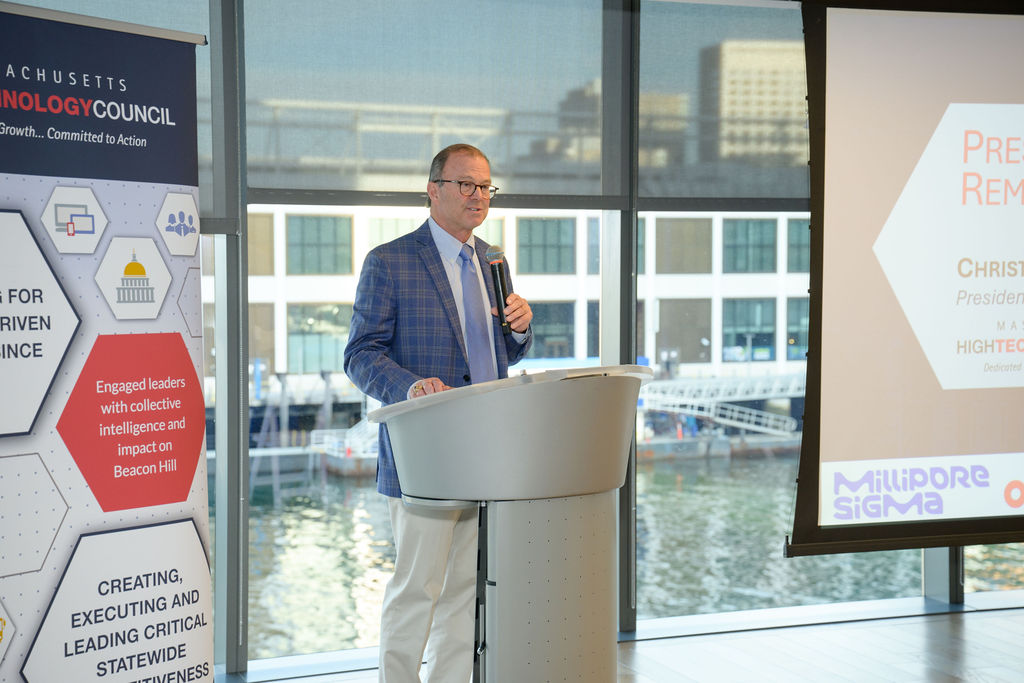
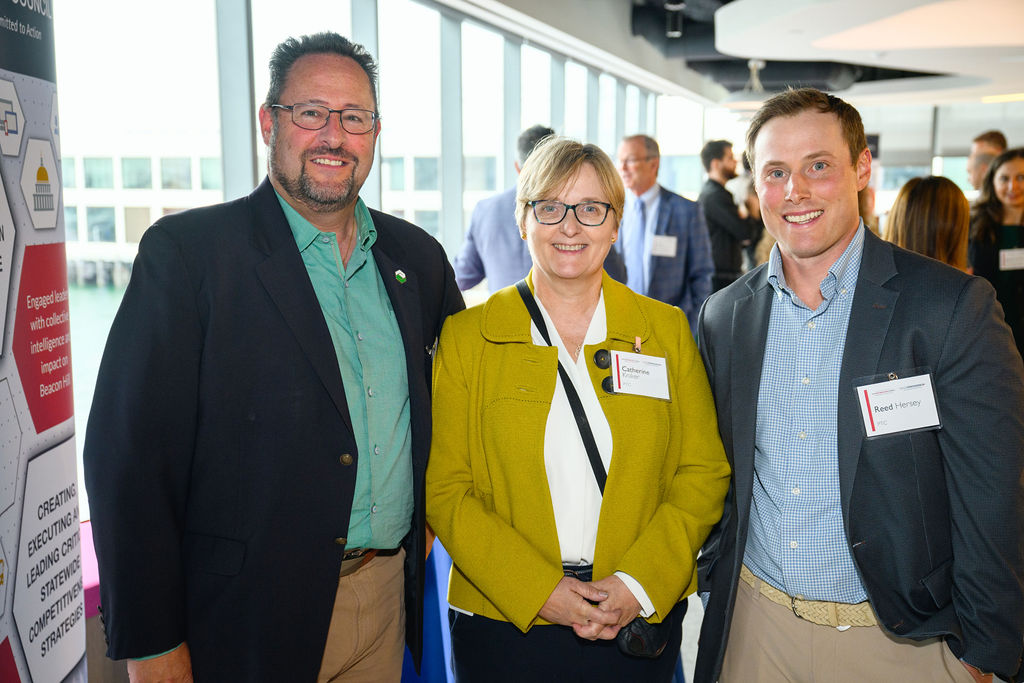
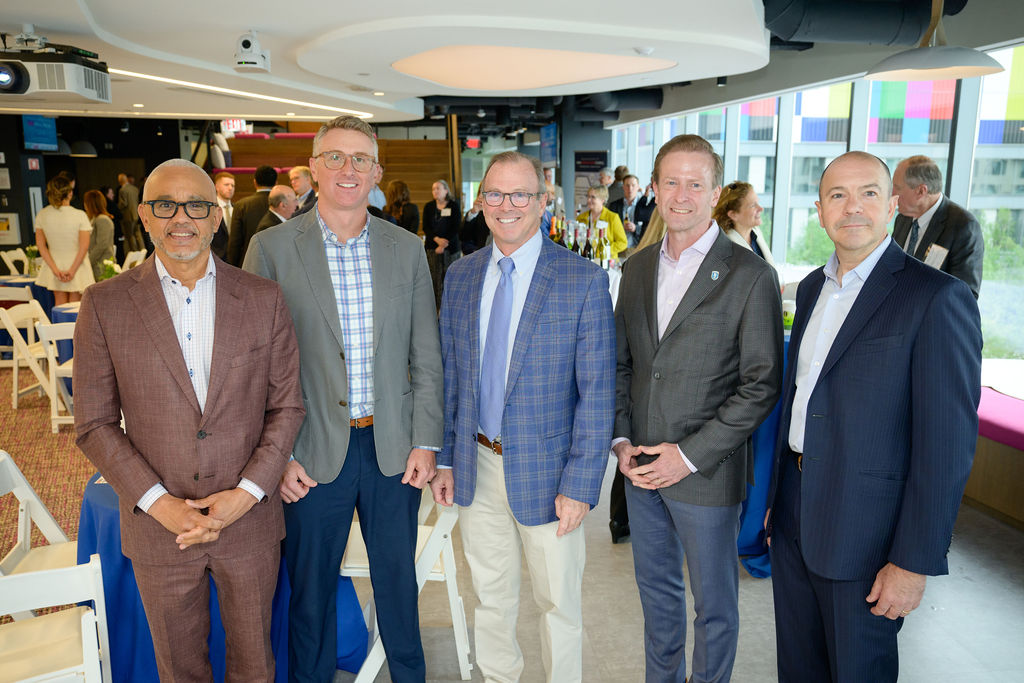
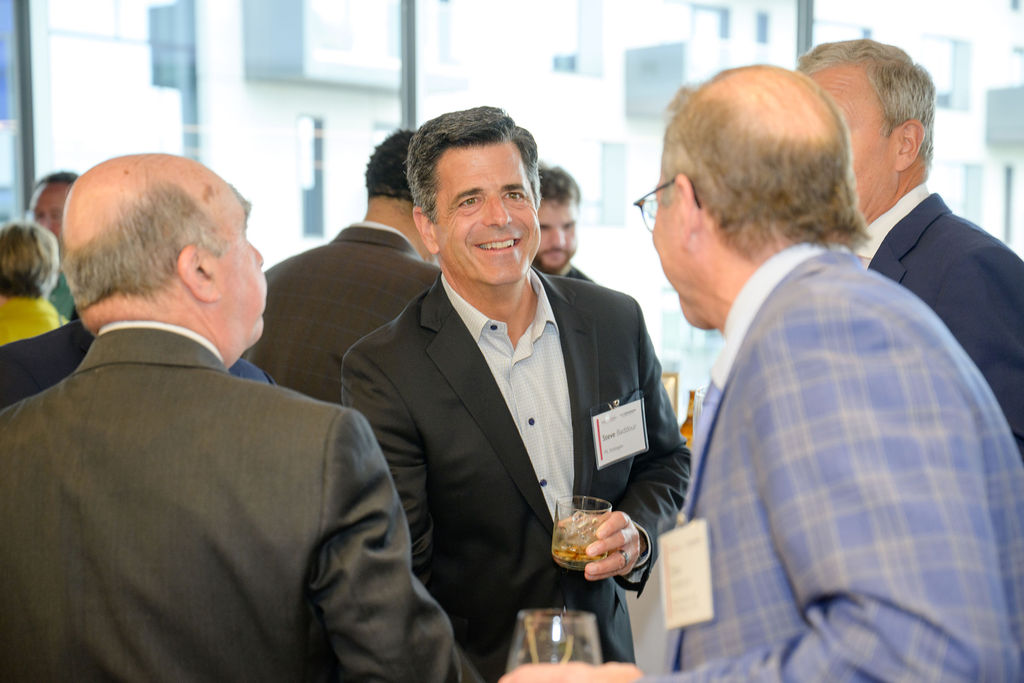
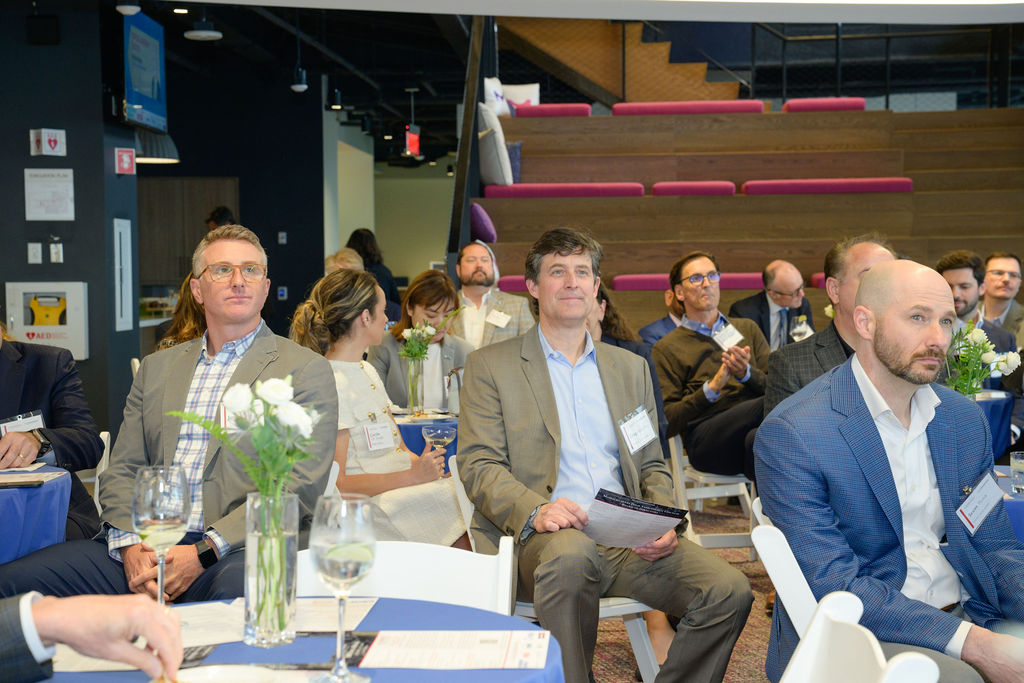
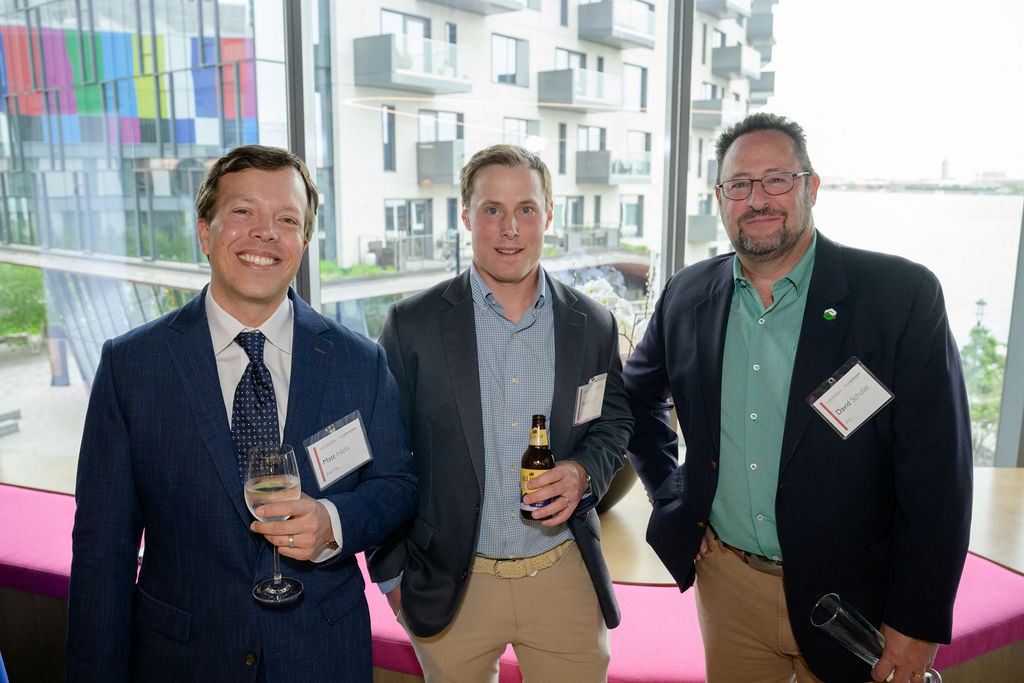
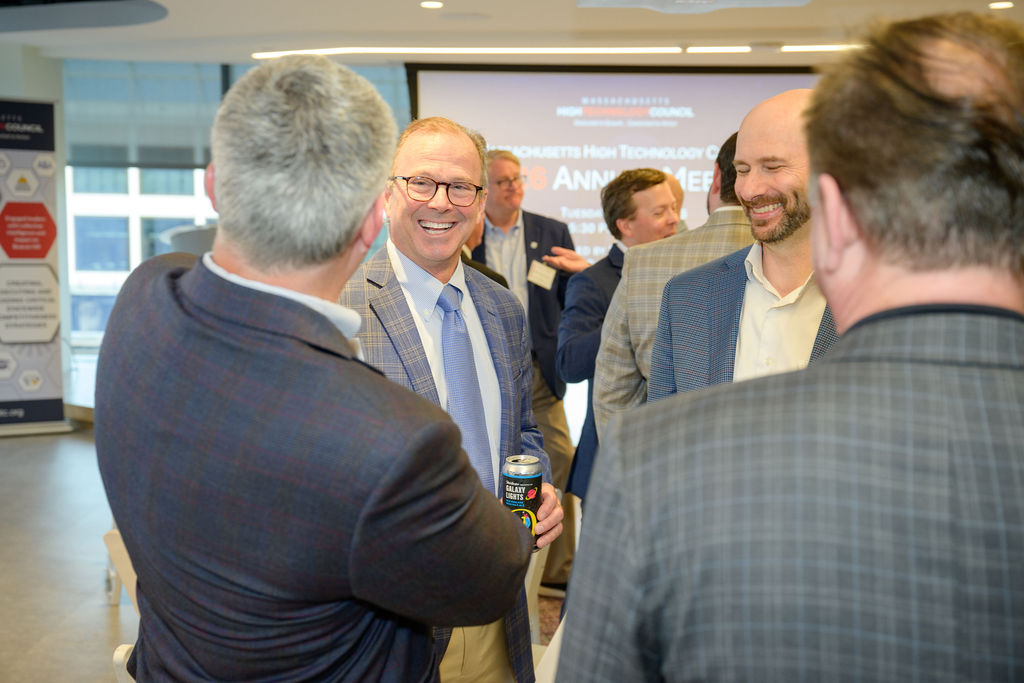
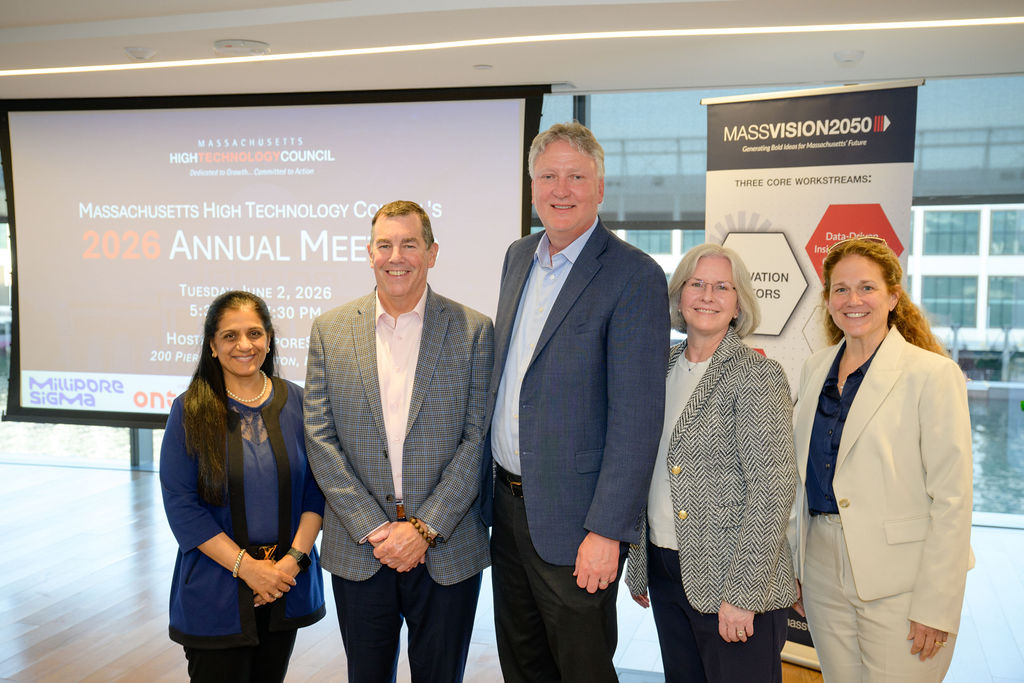
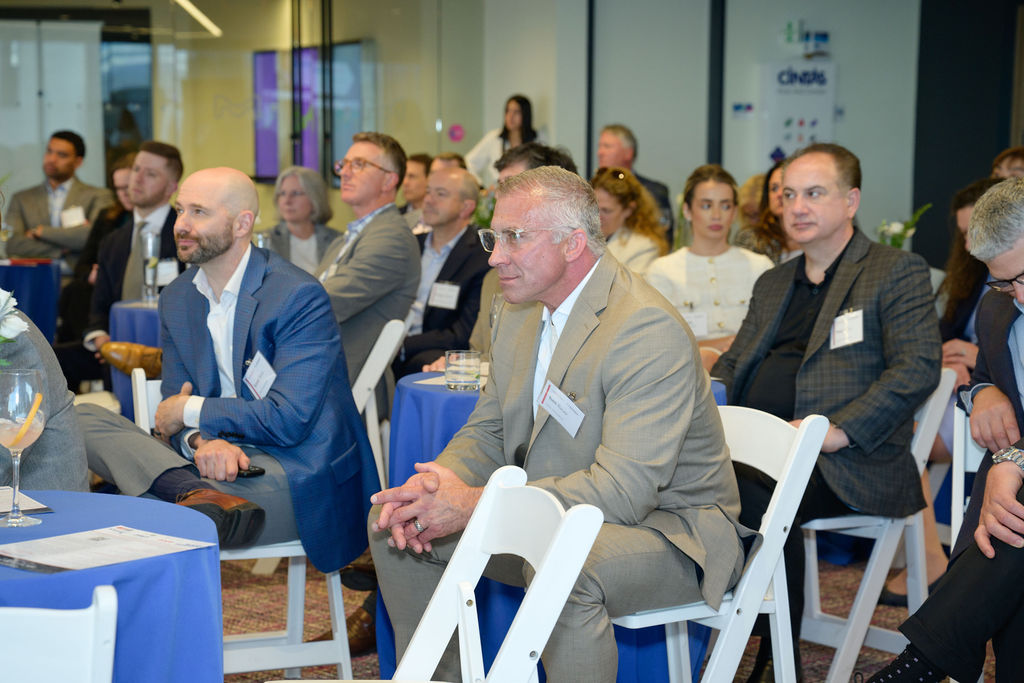
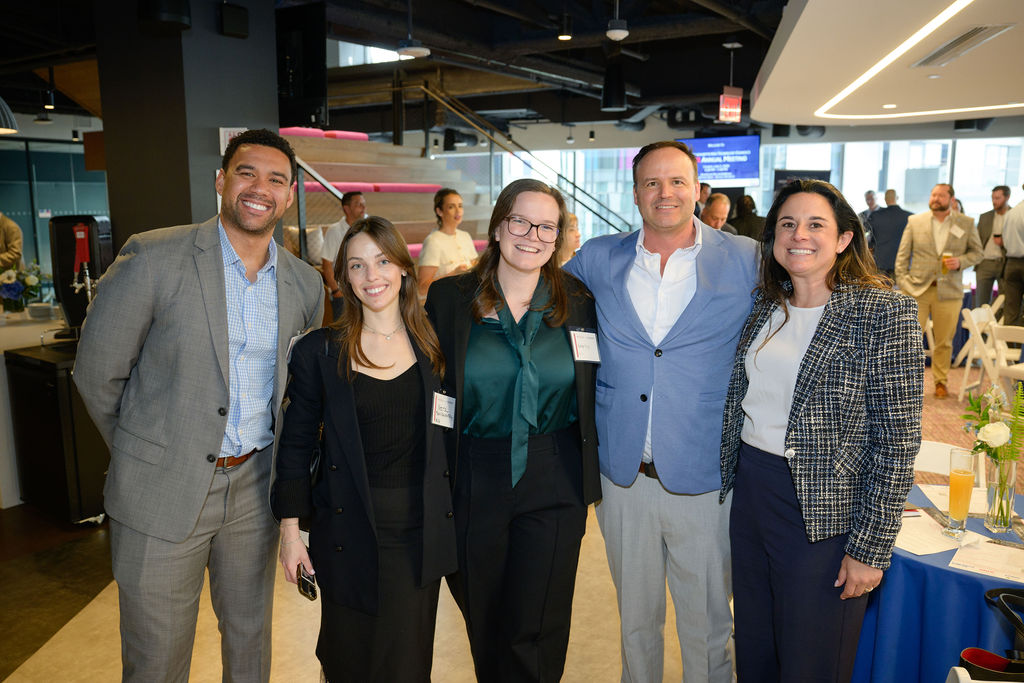
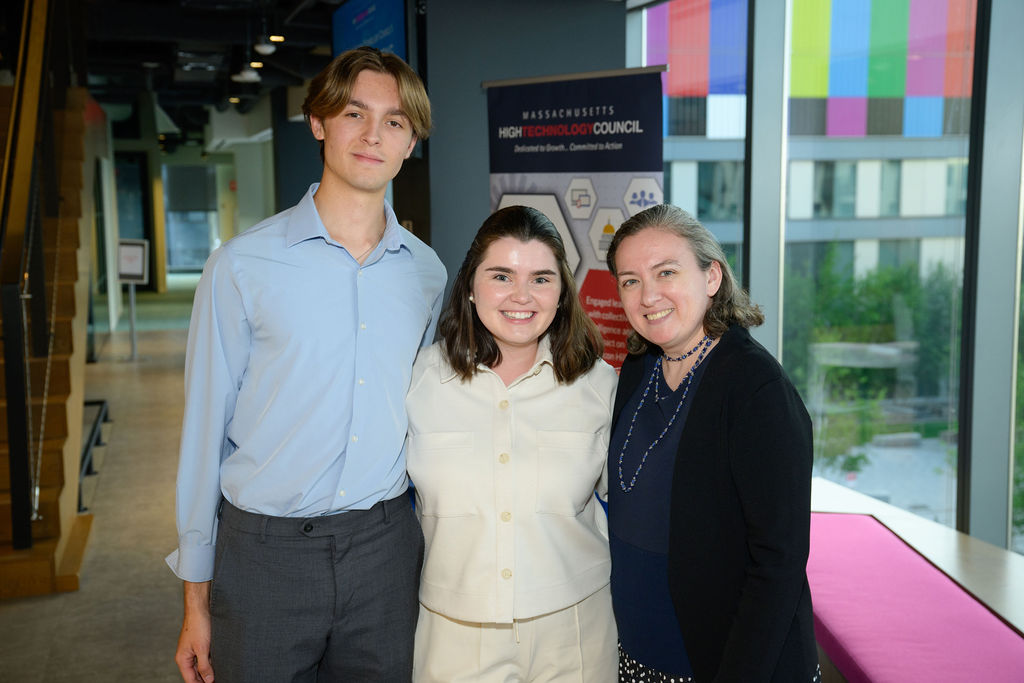
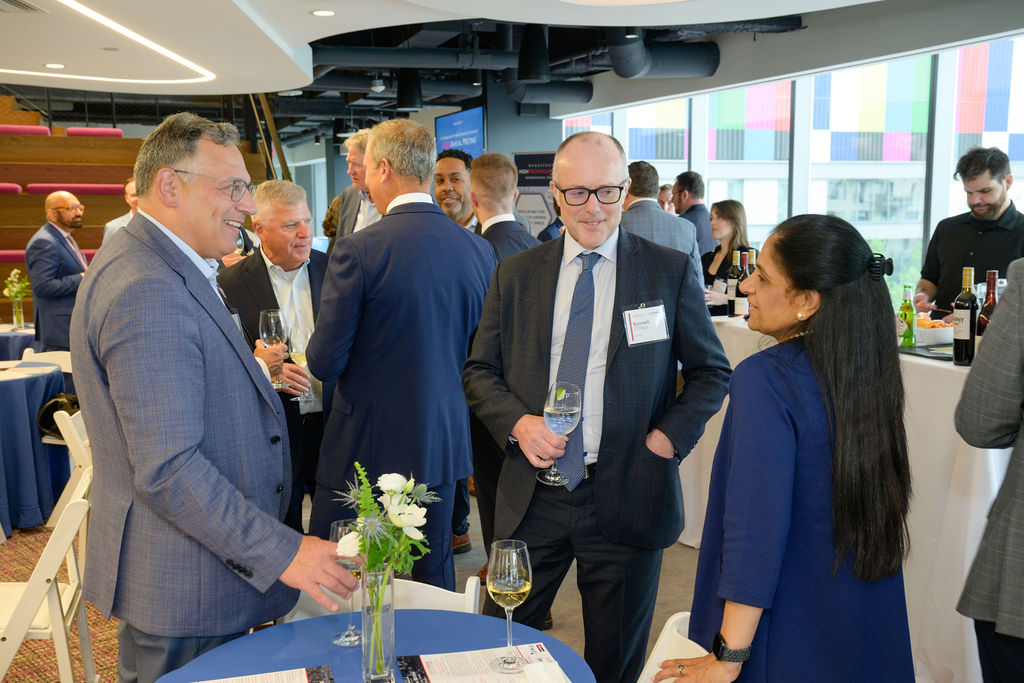
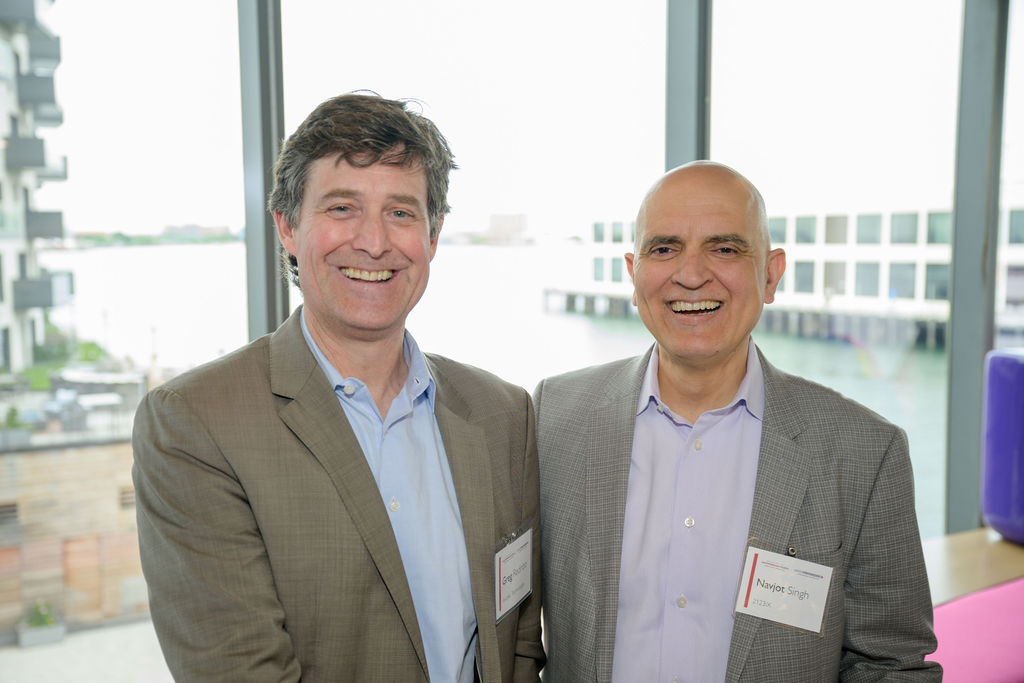
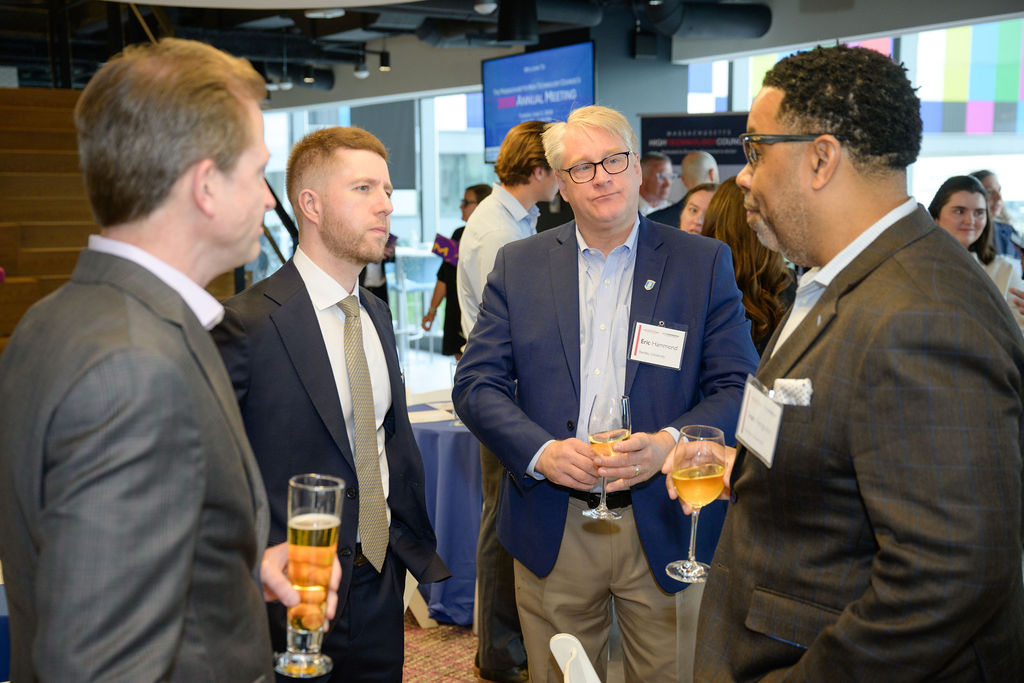
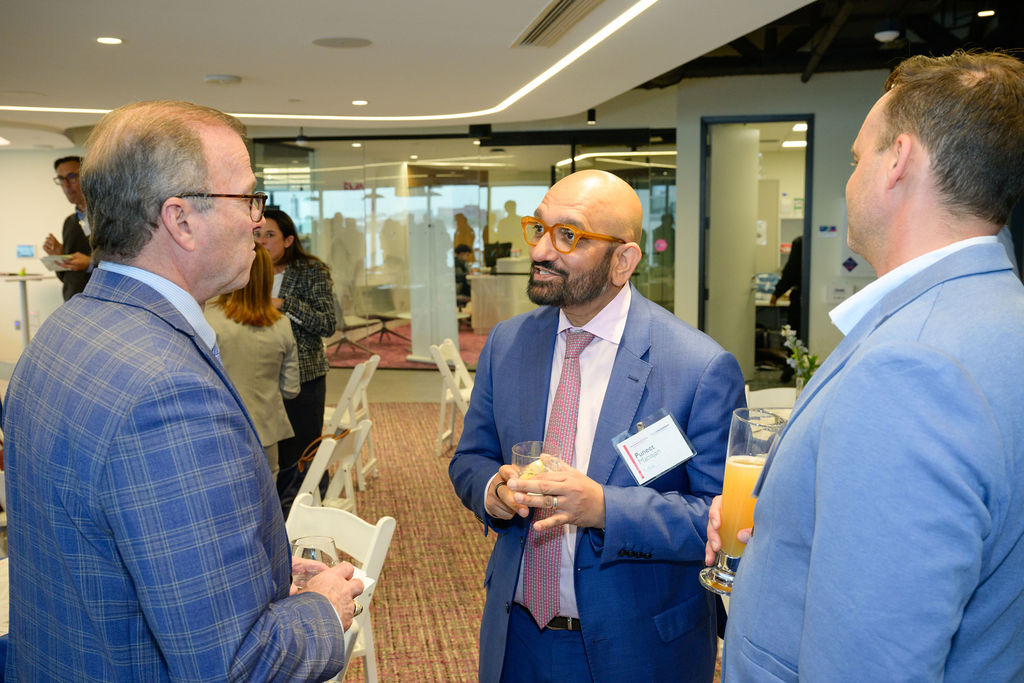
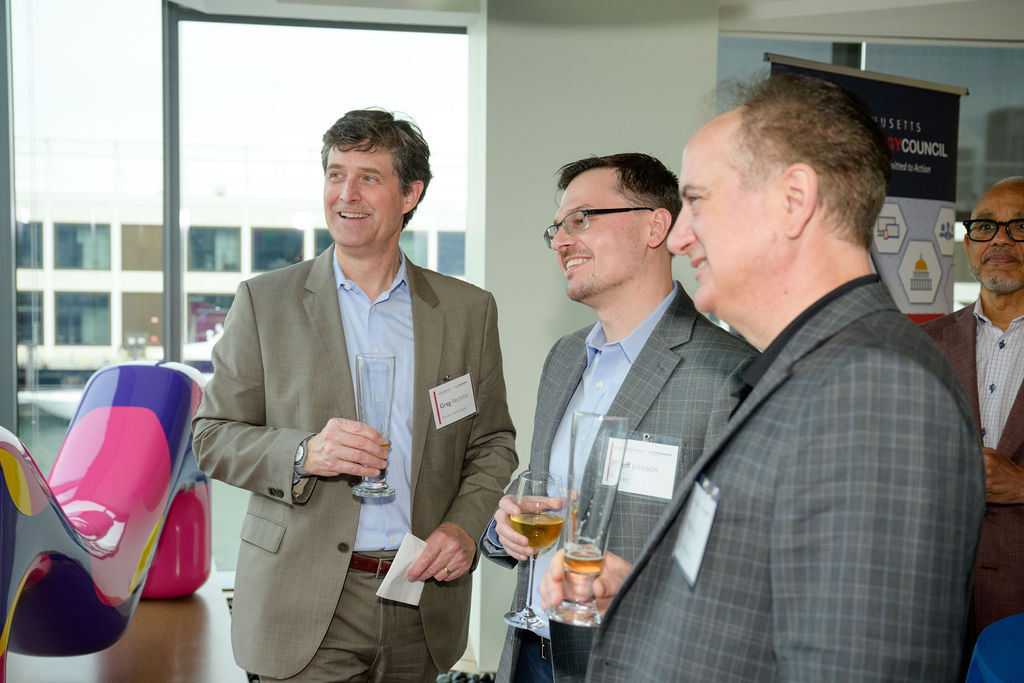
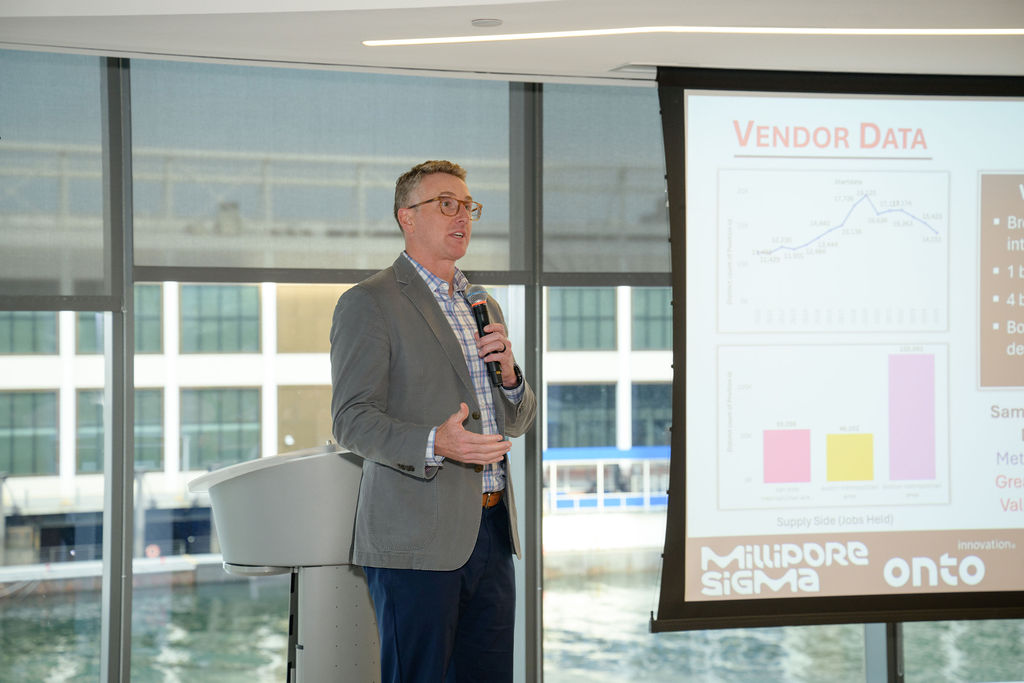
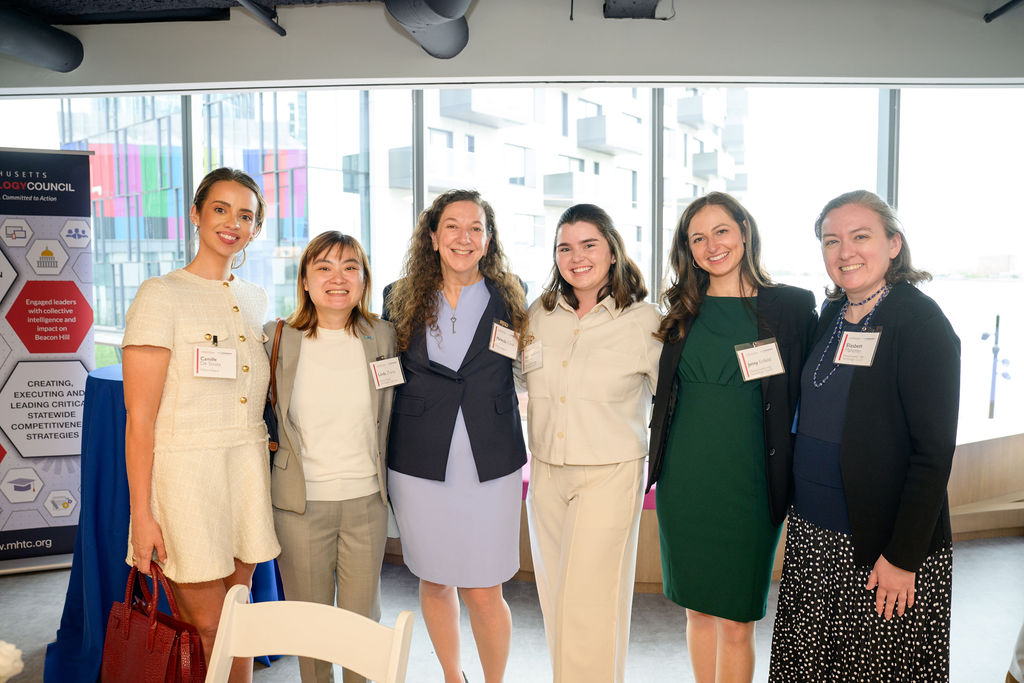
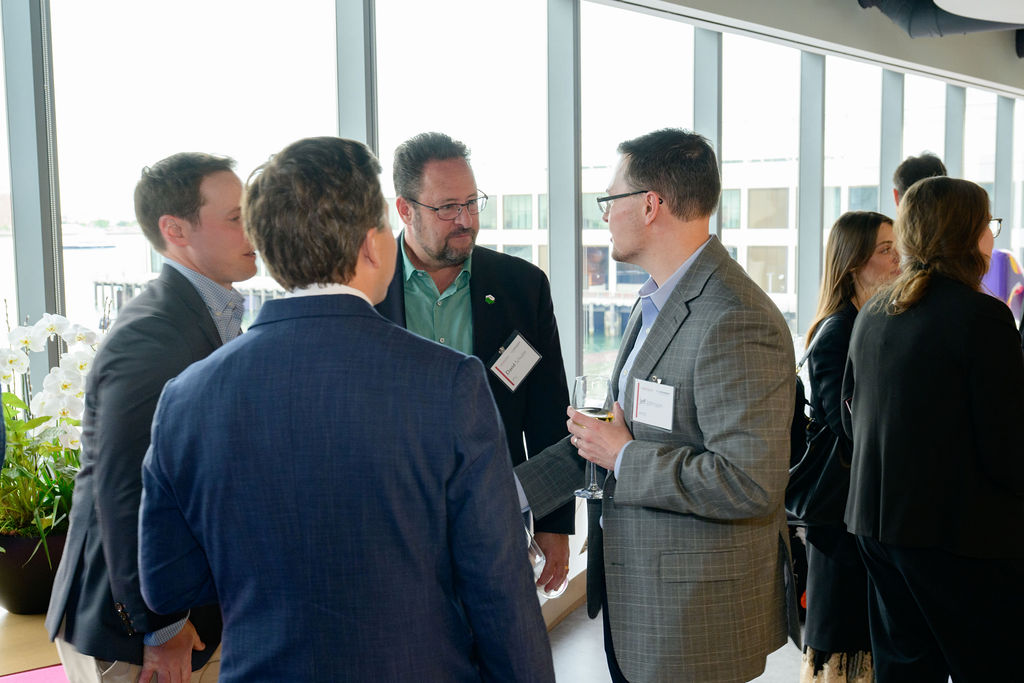
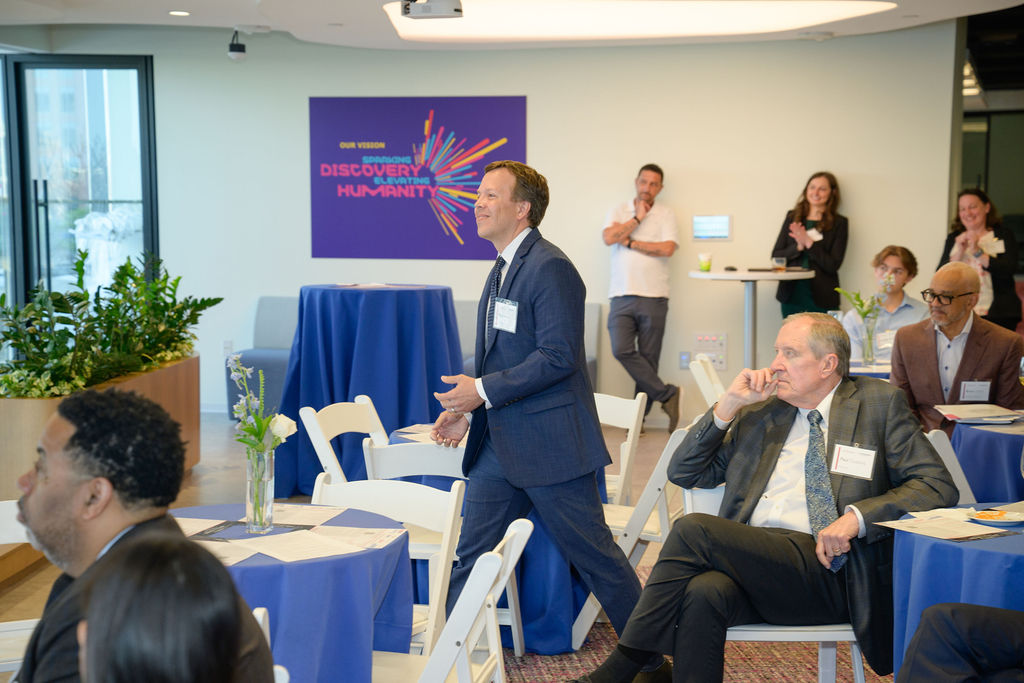
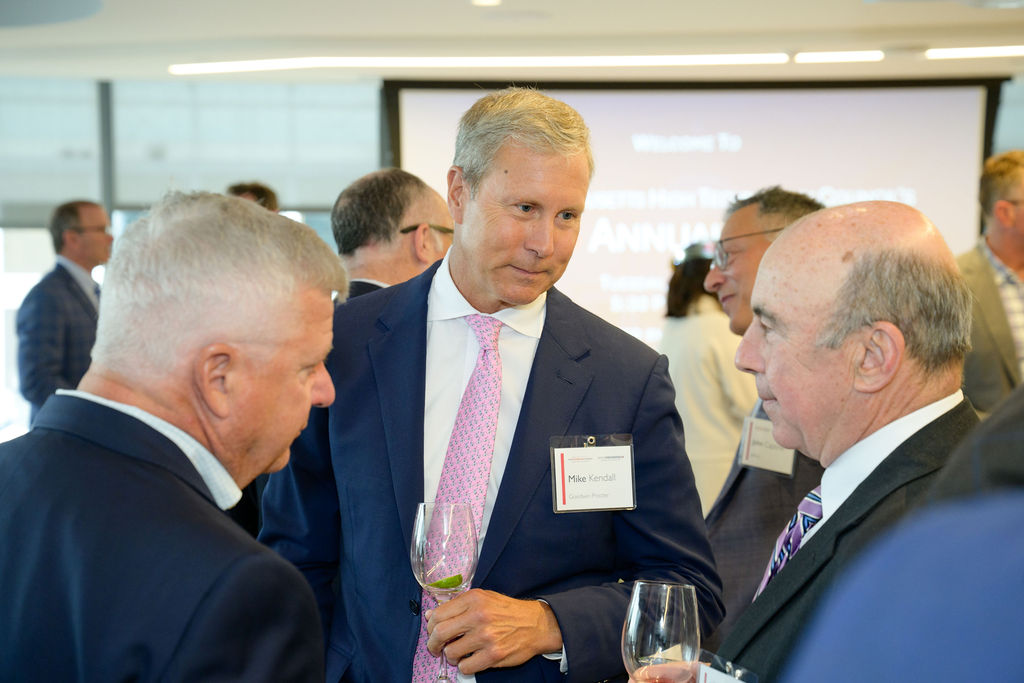
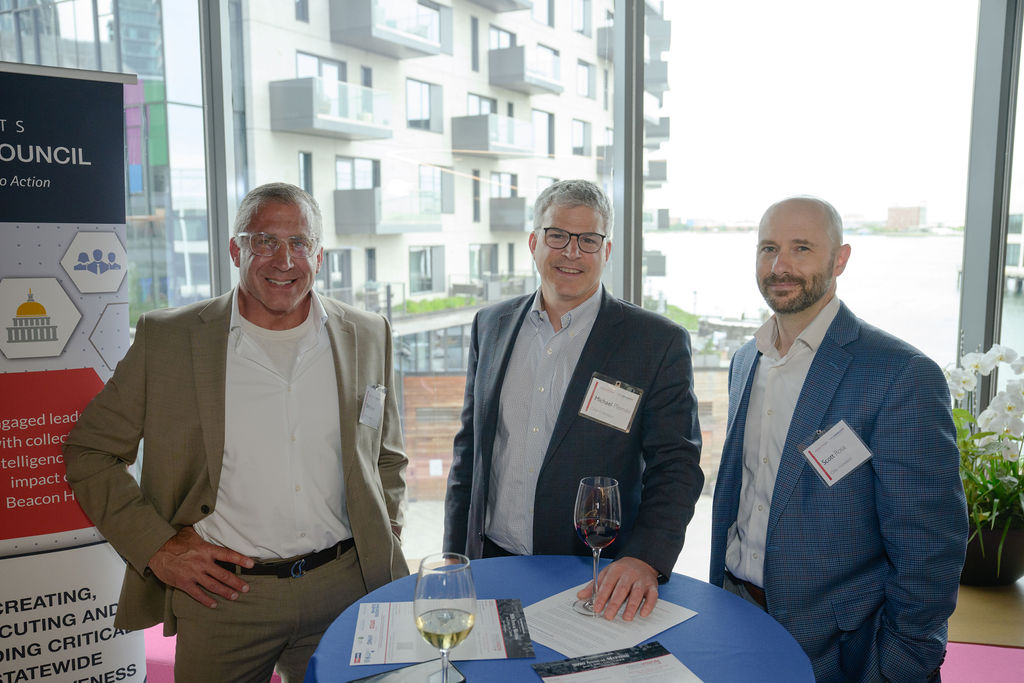
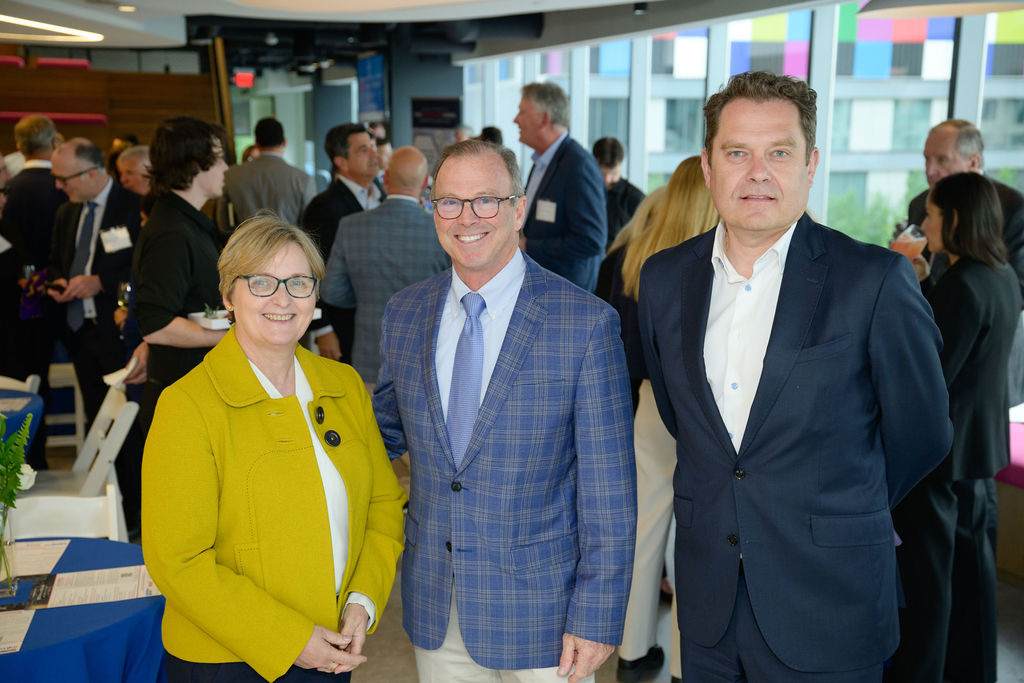
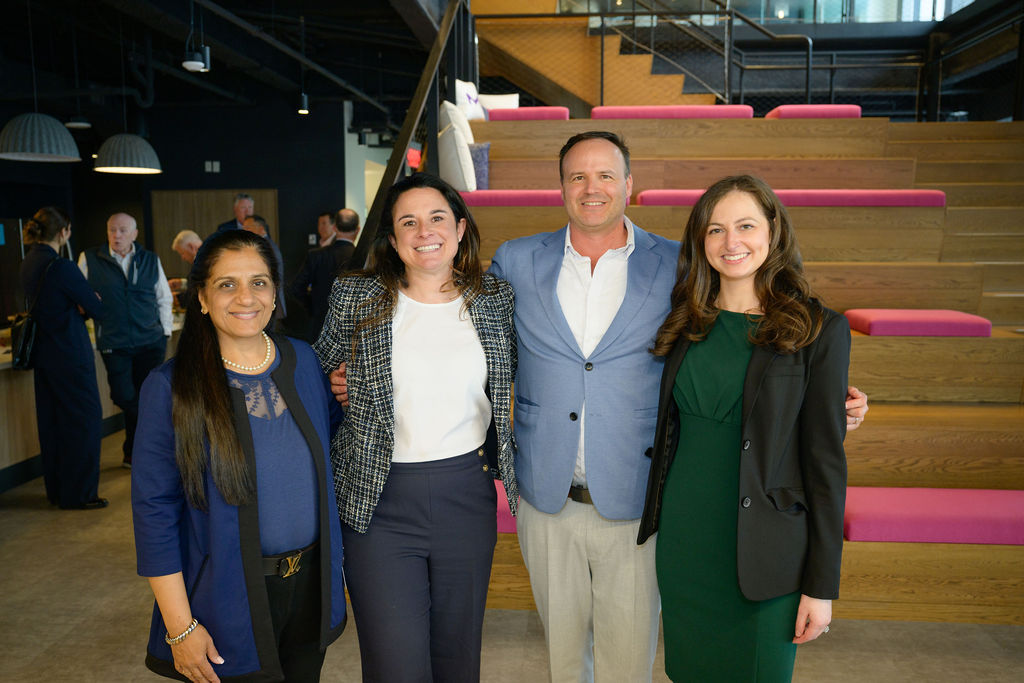
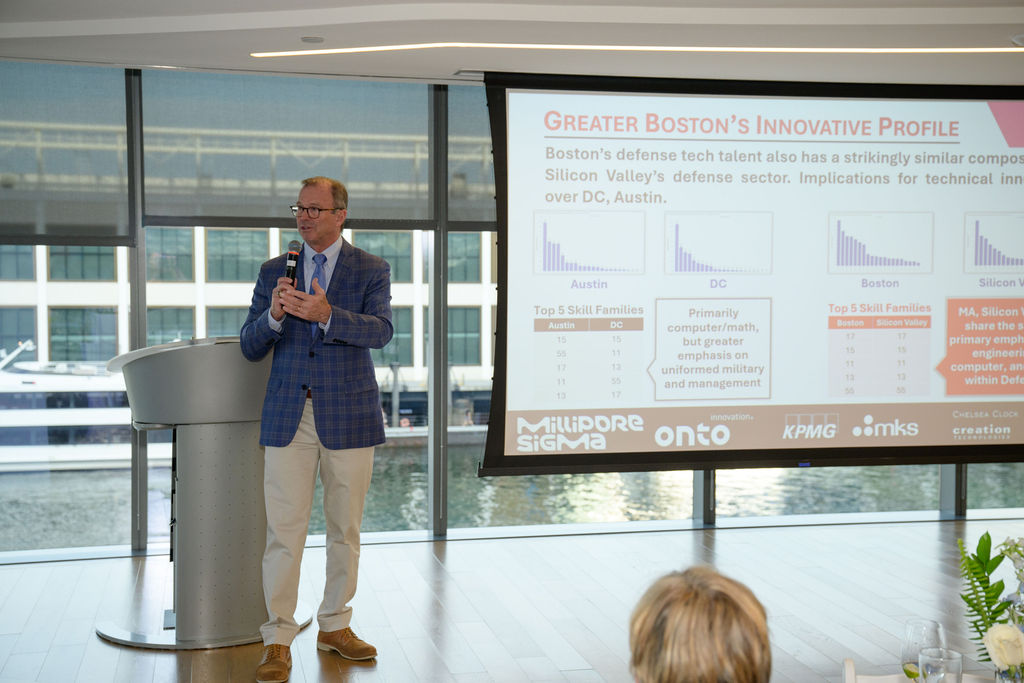
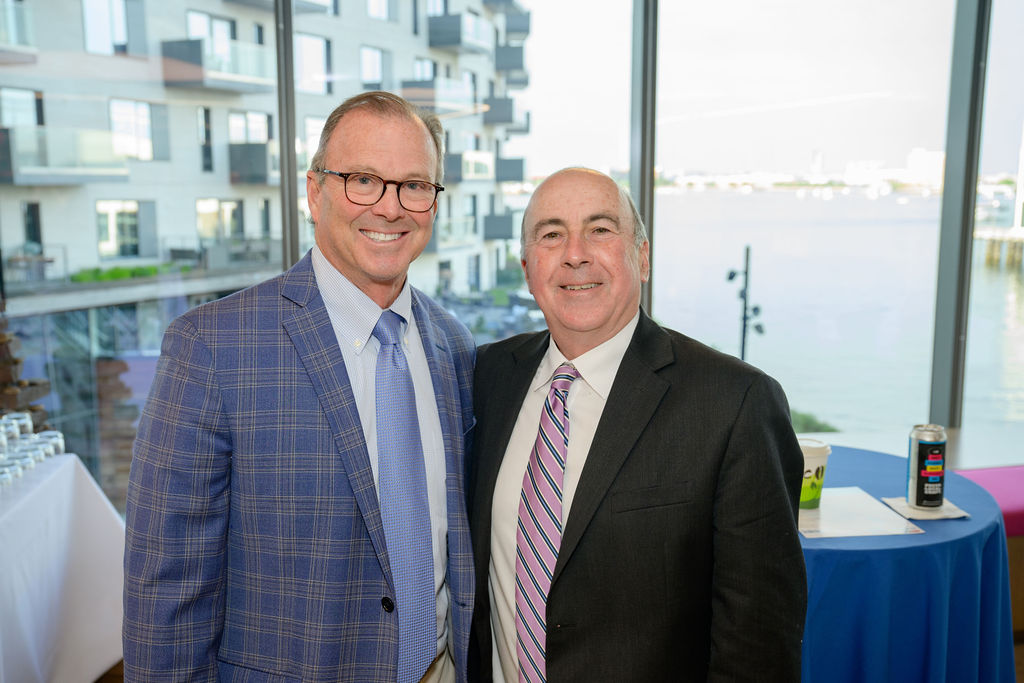
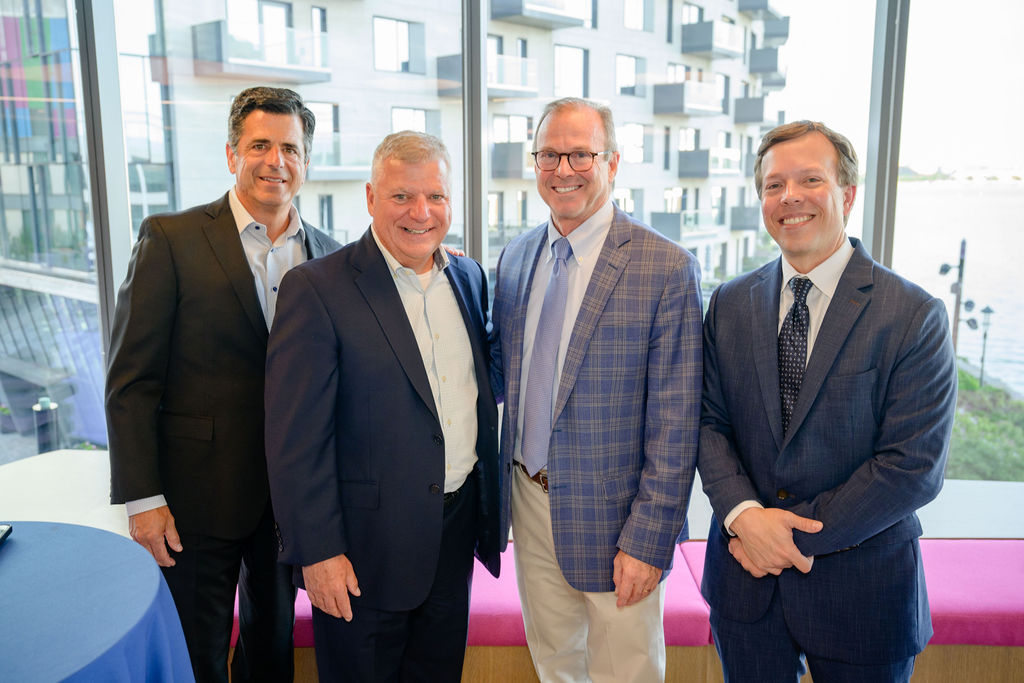
On Tuesday, June 2, 2026, the Massachusetts High Technology Council held its 49th Annual Meeting, hosted by MilliporeSigma at the offices of its affiliate, EMD Serono, in Boston’s Seaport. The evening brought together senior leaders from business, academia, and the public sector for an evening of cocktails, conversation, and connection — and for a program centered on leadership, talent, innovation, and the long-term competitiveness of the Commonwealth.
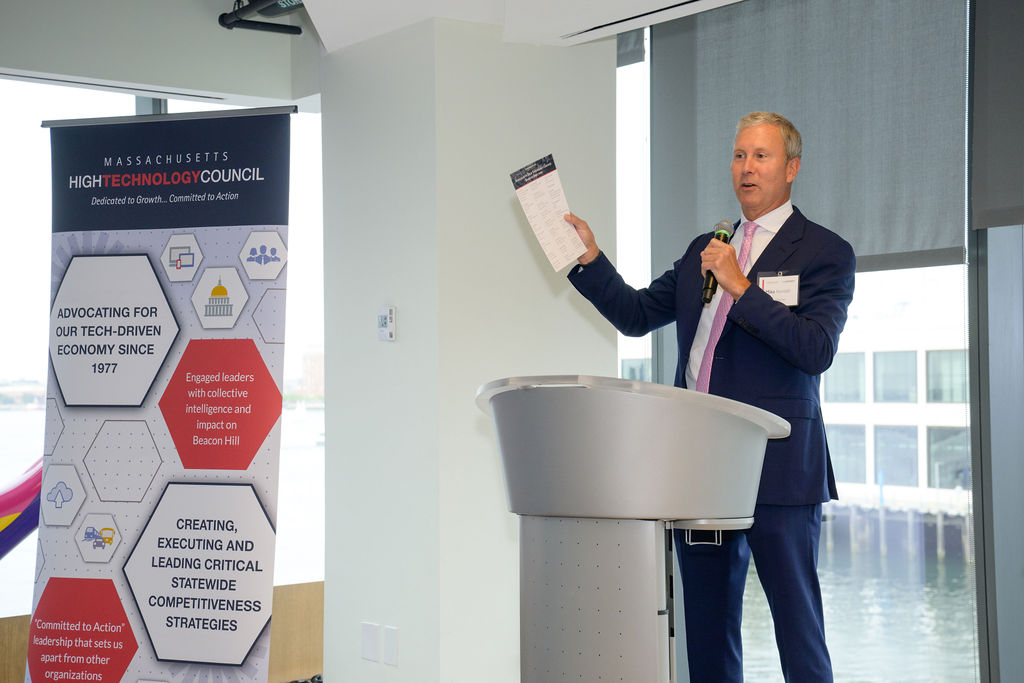
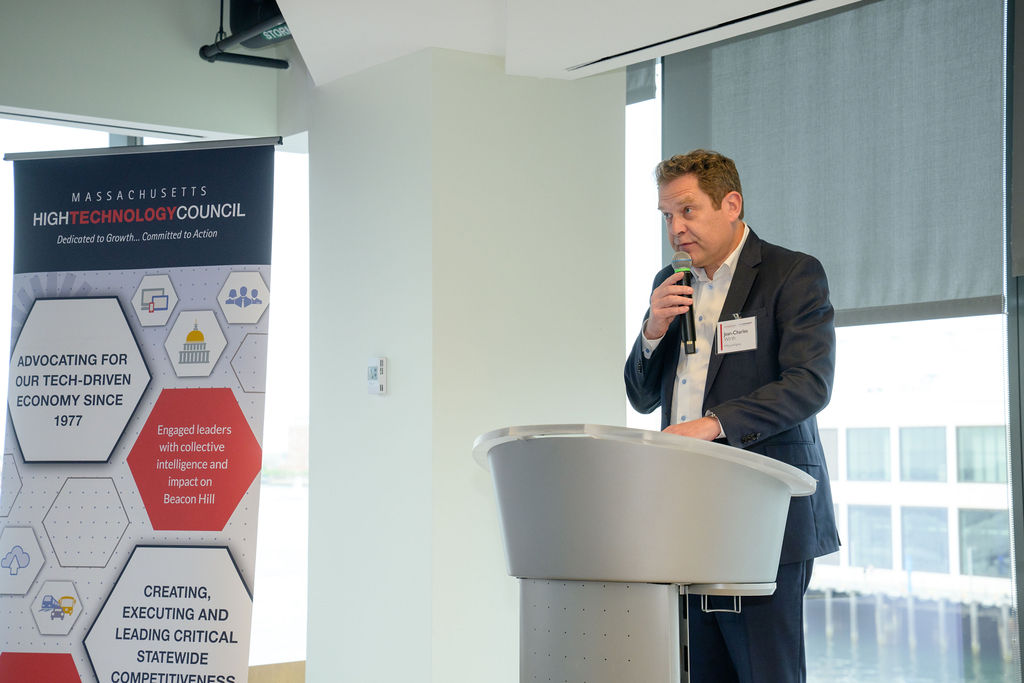
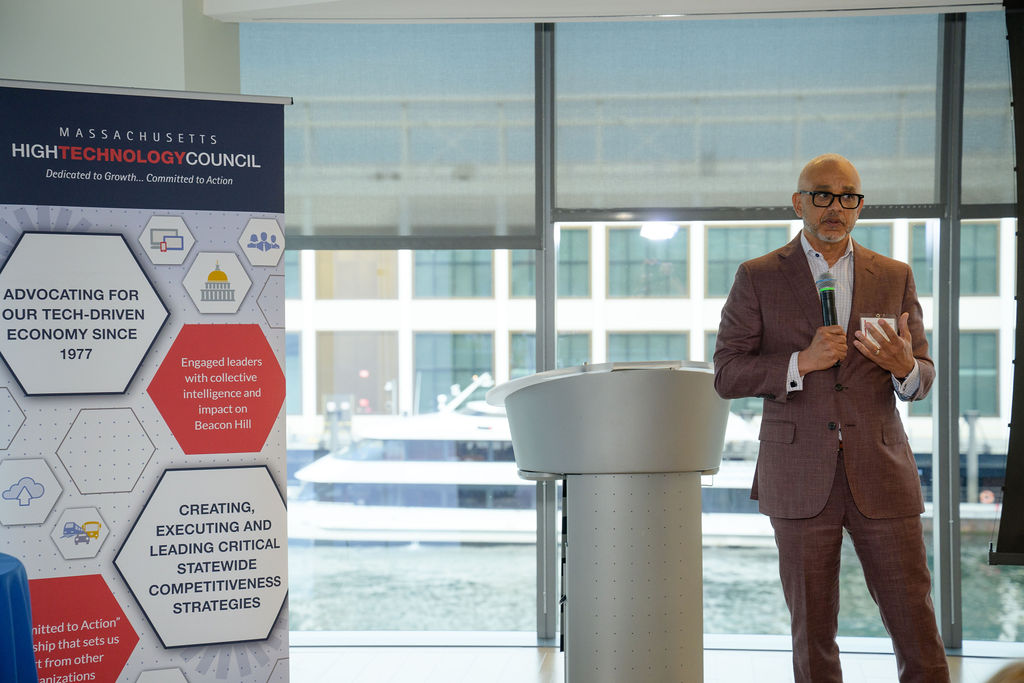
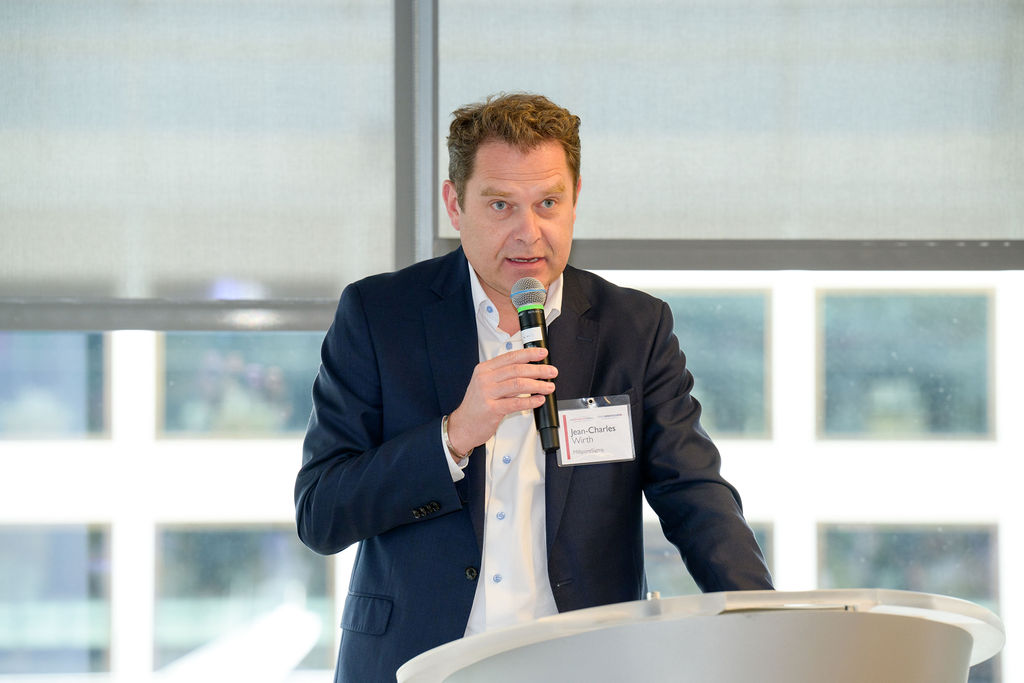
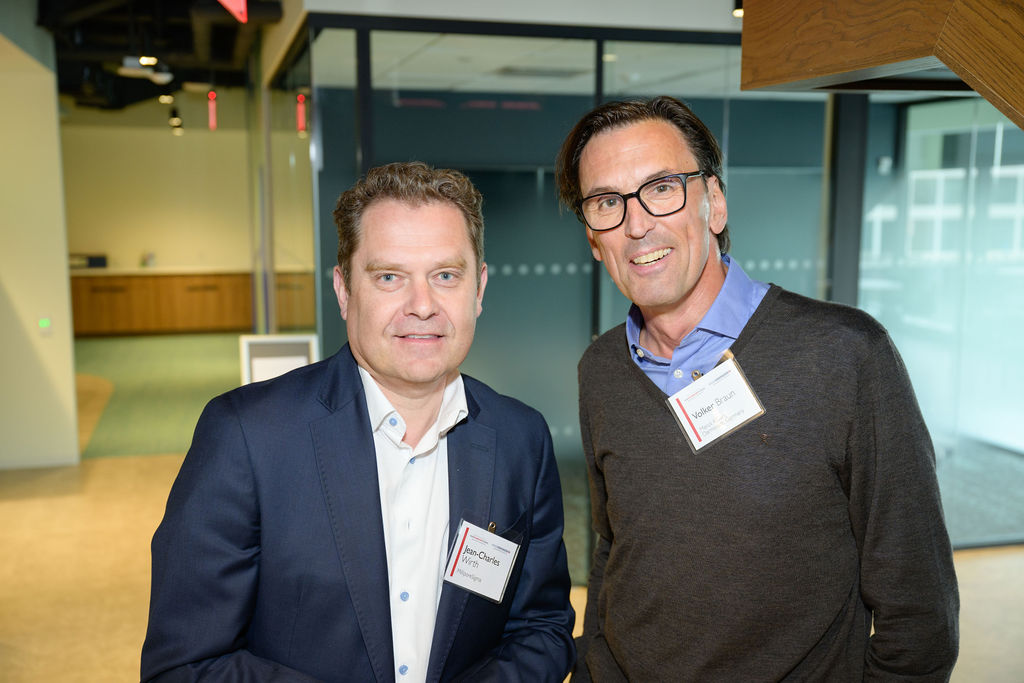
Board Chair Jean-Charles Wirth, CEO of MilliporeSigma, opened the program with remarks on the Council’s impact and what lies ahead, followed by formal Council business that included the election of Council leadership. The meeting also advanced the Council’s MassVision2050 initiative, a long-term strategy designed to strengthen Massachusetts’ position as a global leader in innovation, talent development, economic opportunity, and competitiveness.




















Ray Stata Leadership & Innovation Award
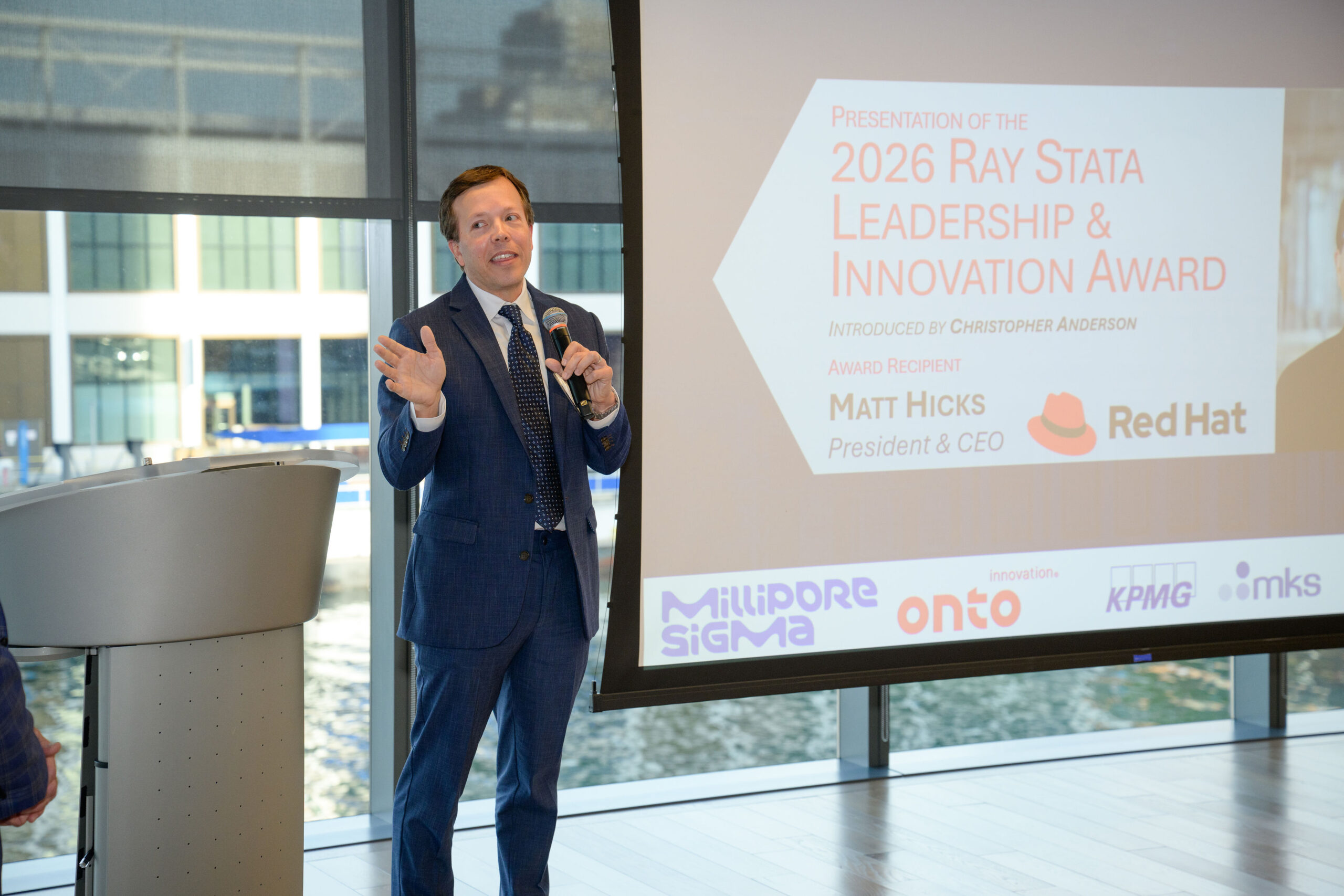
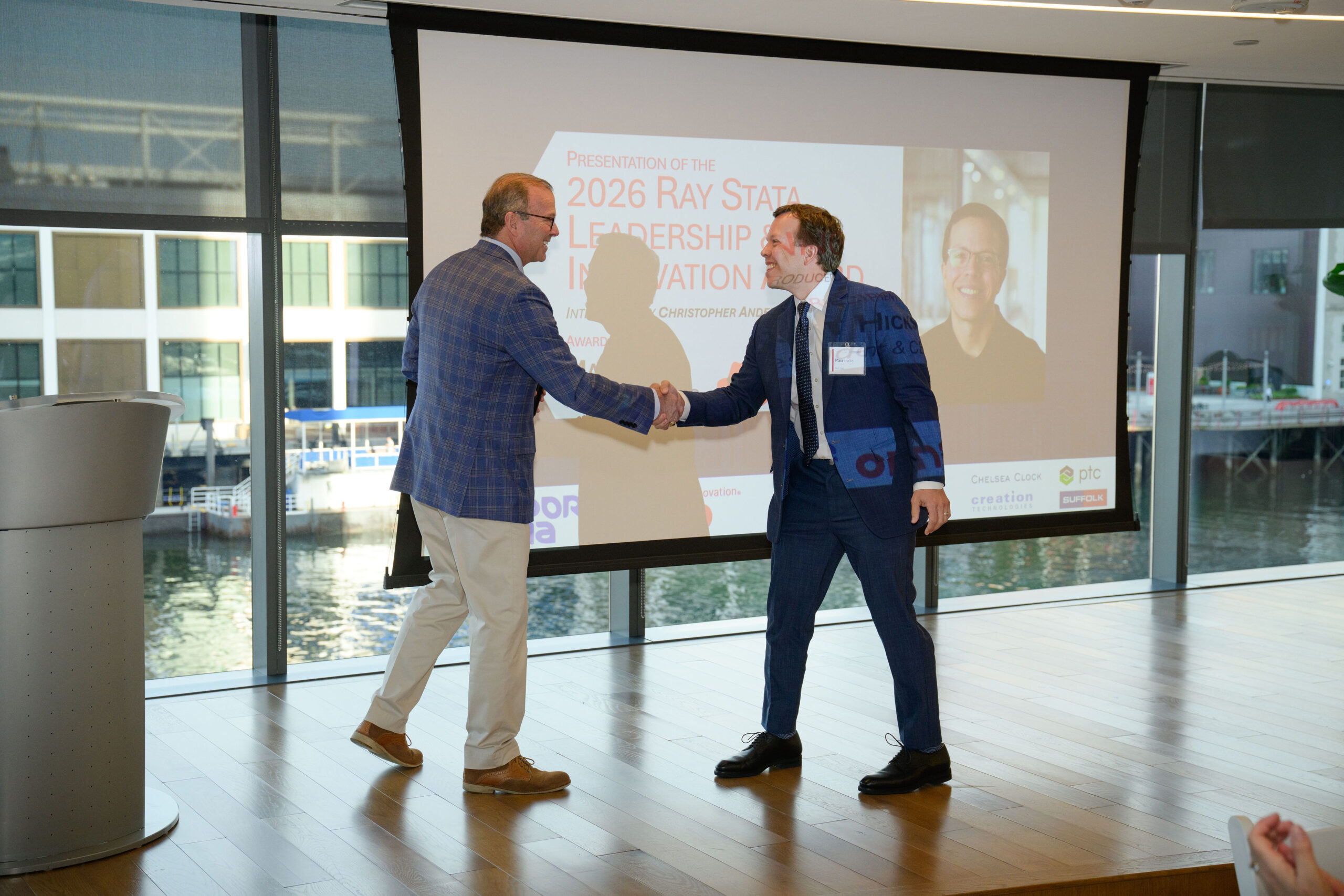
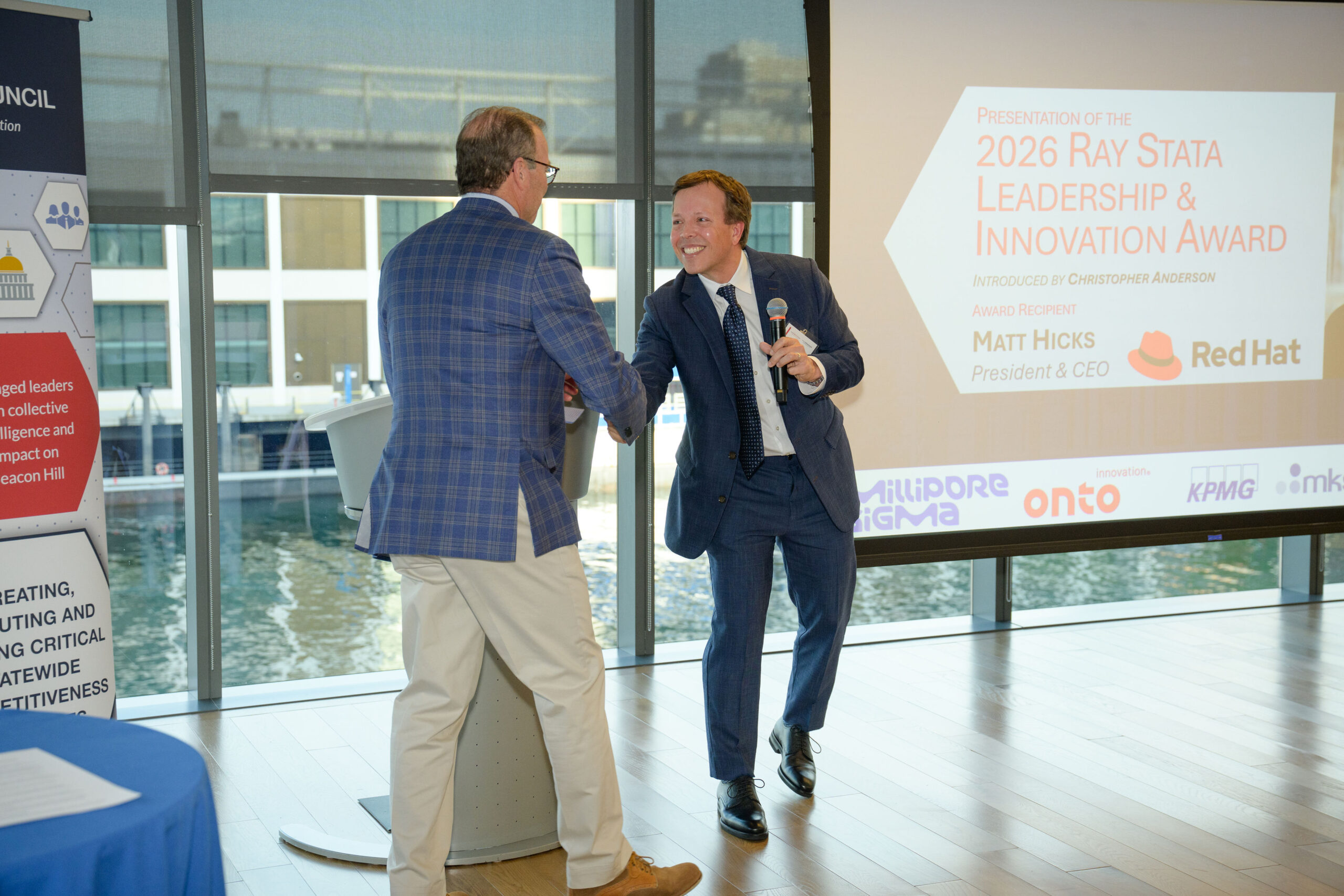
Presentation of the 2026 Ray Stata Leadership & Innovation Award
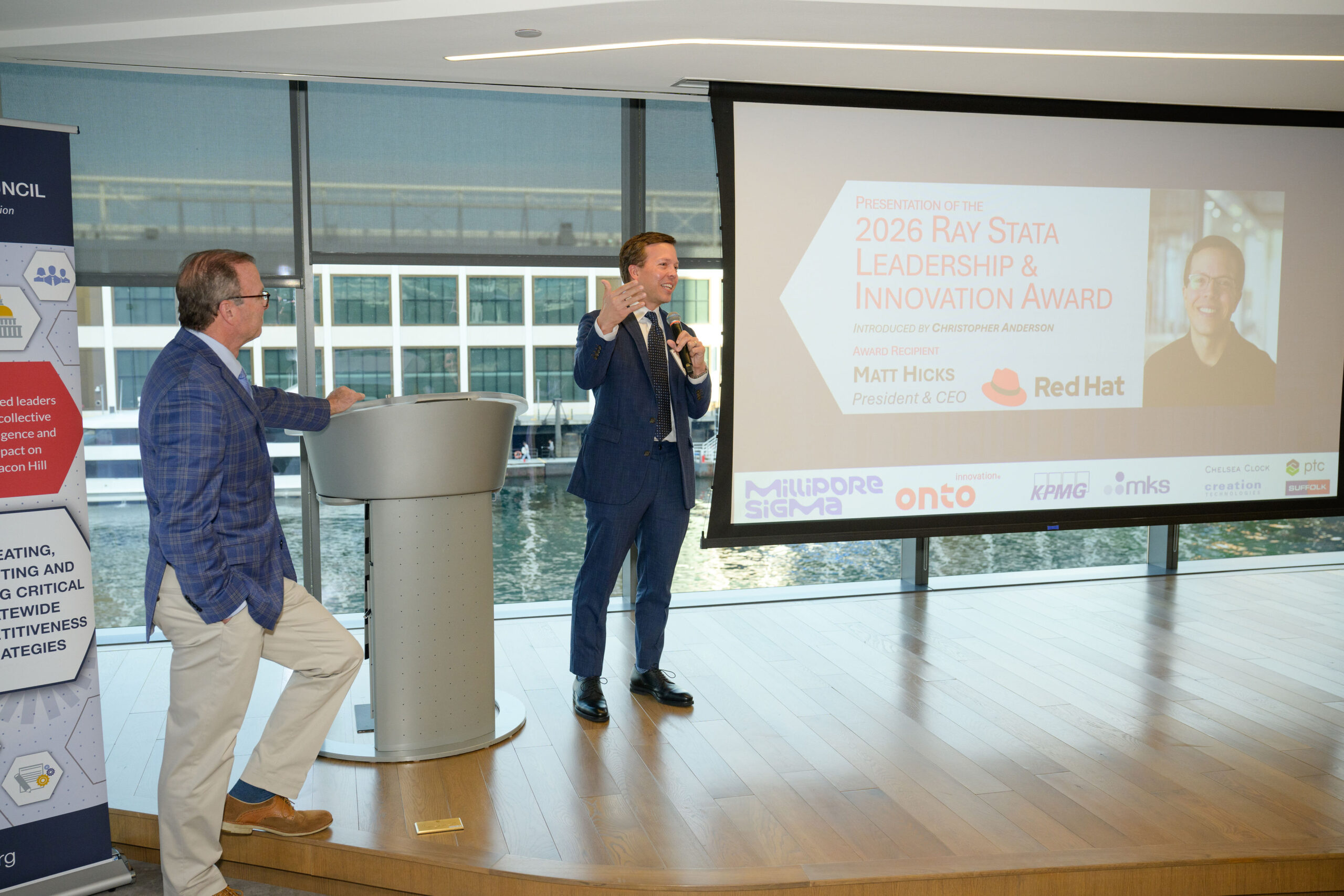
The centerpiece of the evening was the presentation of the 2026 Ray Stata Leadership & Innovation Award to Matt Hicks, President and Chief Executive Officer of Red Hat, in recognition of his exceptional leadership, commitment to innovation, and contributions to the global technology industry.
Named in honor of Ray Stata, founder of Analog Devices, Inc. and one of Massachusetts’ most influential technology entrepreneurs, the award recognizes leaders whose vision, innovation, and commitment to building strong organizations have helped shape industries and advance economic opportunity.
As President and CEO of Red Hat, Matt leads one of the world’s most influential technology companies and one of the most important success stories in modern enterprise computing, advancing the open innovation, collaboration, and technological excellence that help organizations around the world accelerate digital transformation. But what makes him especially deserving of this recognition is not simply the success of the company he leads — it is the leadership philosophy he represents. Throughout his career, Matt has championed the idea that innovation thrives when talented people are empowered, diverse perspectives are welcomed, and organizations remain committed to continuous learning and adaptation. Those principles have helped Red Hat build a culture widely regarded as a model for innovation leaders around the world, and they strongly reflect the legacy of Ray Stata himself — a leader who believed that long-term success comes from investing in people, fostering collaboration, and creating environments where innovation can flourish.
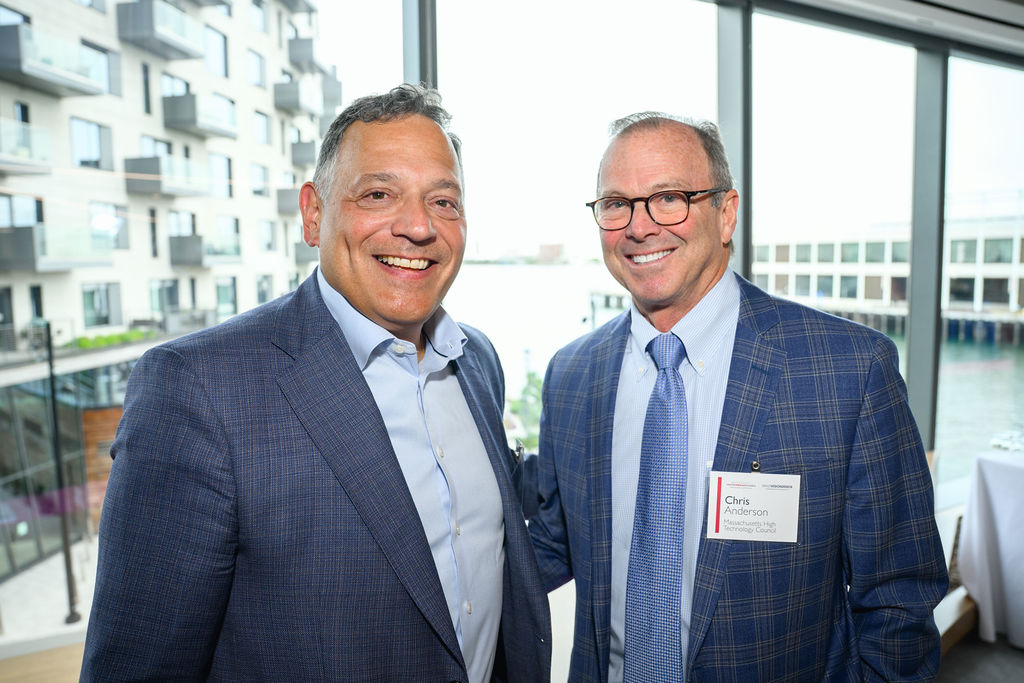
“Matt Hicks represents the very best of innovation leadership,” said Christopher Anderson, President of the Council. “Throughout his career, he has demonstrated that sustained success is built on empowering talented people, fostering collaboration, embracing change, and maintaining a relentless focus on innovation. Those qualities reflect the leadership legacy of Ray Stata and embody the values that continue to drive Massachusetts’ innovation economy.”
“Massachusetts has long benefited from leaders who understand that innovation is not simply about technology — it’s about creating opportunities for people, organizations, and communities to thrive,” Anderson added. “Matt’s leadership demonstrates how companies can achieve global success while remaining committed to the values of collaboration, learning, and continuous innovation.”
MassVision2050 Updates
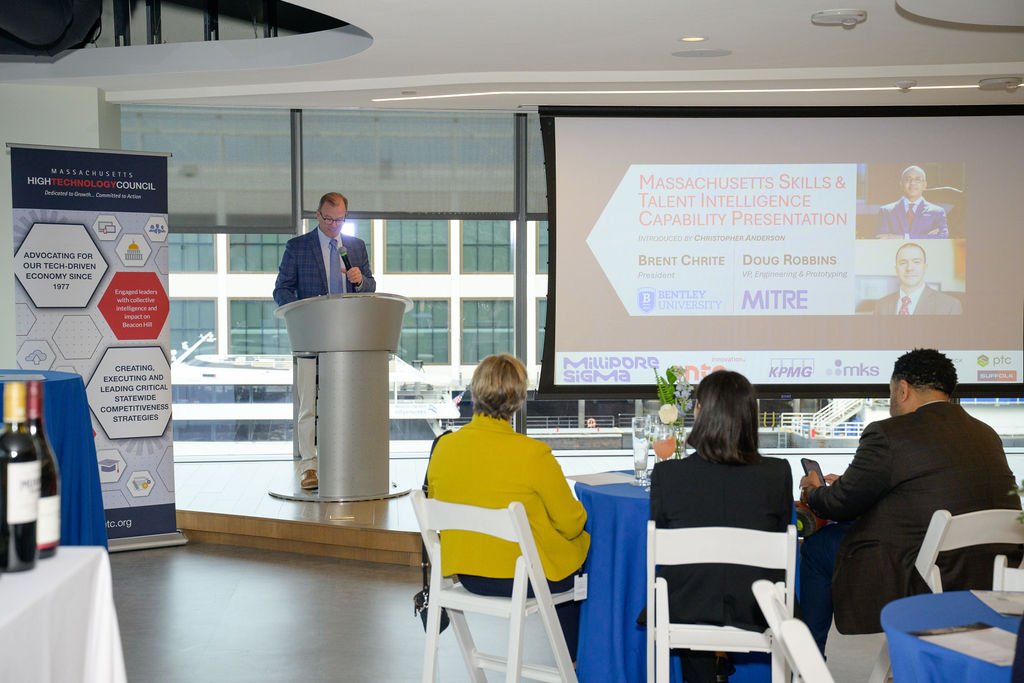
Advancing MassVision2050: The Massachusetts Skills & Talent Intelligence Capability
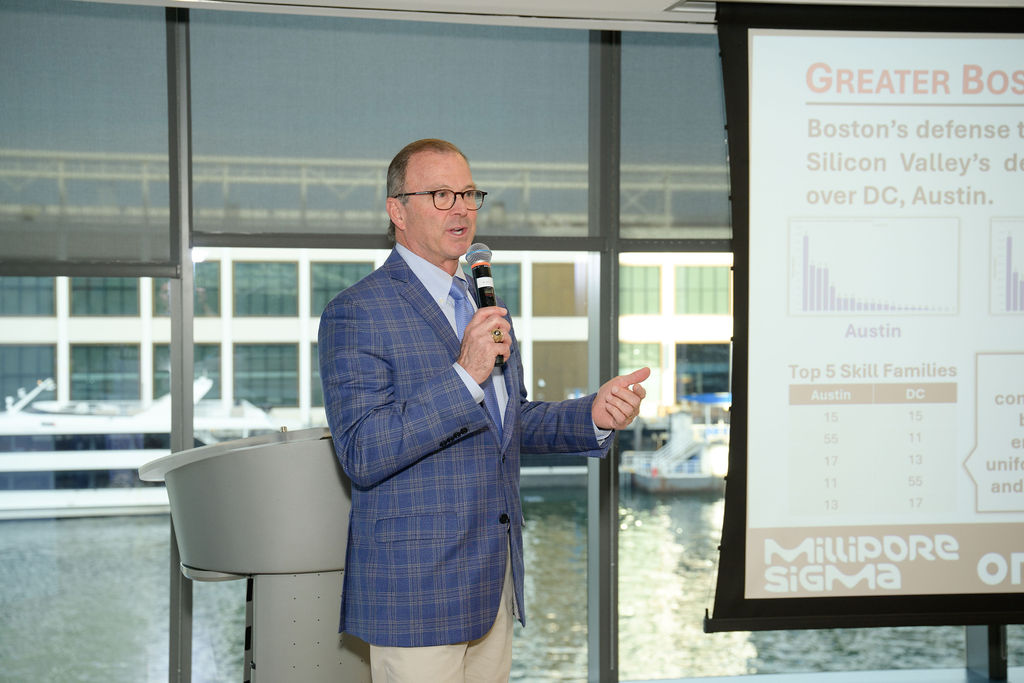
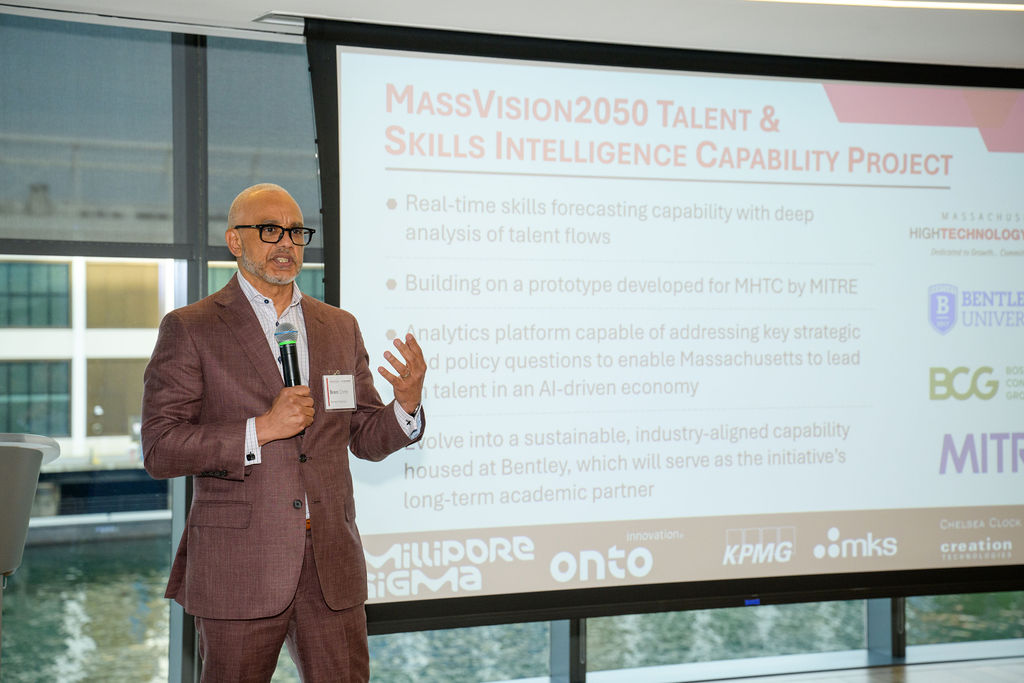
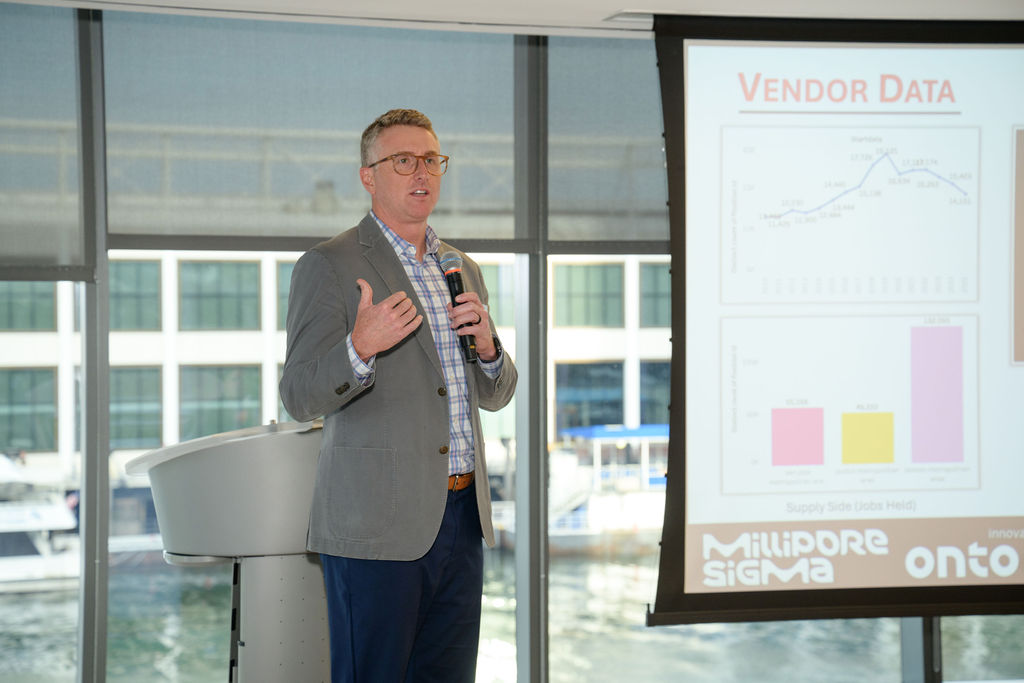
The Annual Meeting also marked an important milestone in one of the Council’s most significant MassVision2050 initiatives. Over the past year and a half, Council member employers and higher education institutions, working alongside MITRE, developed the Massachusetts Skills & Talent Intelligence Capability — a shared resource built around a simple but important challenge: how to make better decisions about talent, workforce development, and economic growth using real-time intelligence rather than assumptions.
The capability brings together workforce demand signals, skills intelligence, educational pathways, labor market trends, and regional economic data into a single shared resource that helps employers, educators, policymakers, and workforce leaders make smarter, more coordinated decisions. In doing so, it advances one of the central goals of MassVision2050: ensuring that Massachusetts continues to create jobs, attract investment, and develop the talent pipeline needed for long-term economic competitiveness.
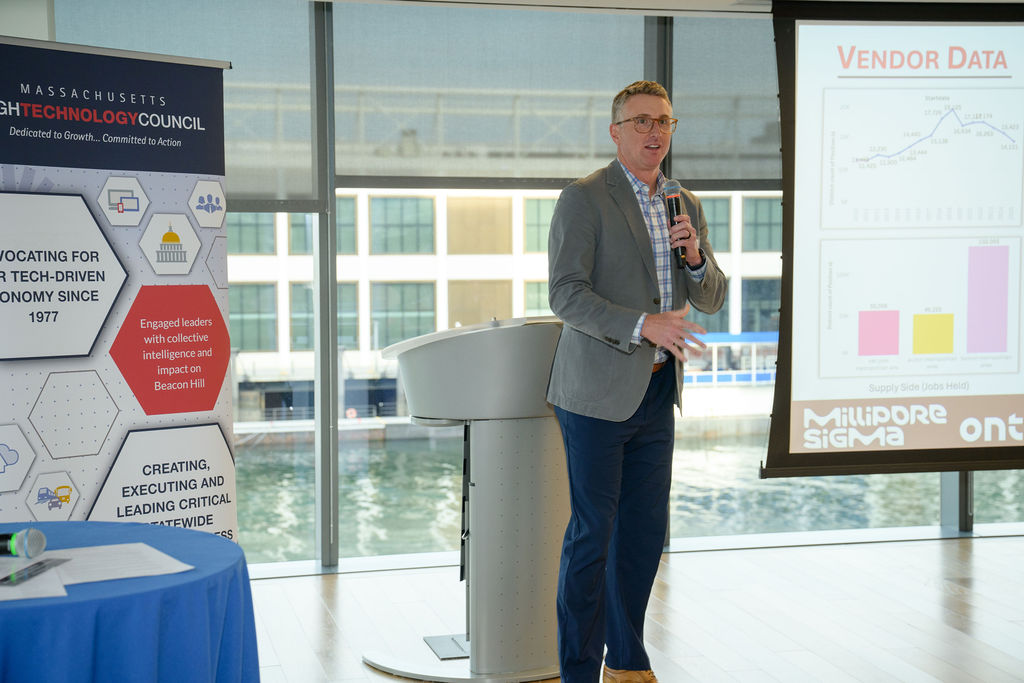
During the meeting, the Council announced the transition of the capability to Bentley University, which will serve as its institutional home and help expand its impact across the Commonwealth. Bentley’s demonstrated commitment to workforce innovation, business leadership, and data-driven decision-making makes it an ideal steward for this next chapter. Bentley University President E. LaBrent Chrite, Ph.D., and MITRE Research Program Lead Justus Graham joined the program to share more about the future of the initiative and its role in supporting economic growth, workforce development, and long-term competitiveness across the Commonwealth.
Election of Directors, Executive Committee & Officers
Council Leadership Elections
The Annual Meeting agenda also included the election of the Council leadership team for the upcoming year, conducted by Michael Kendall, Council Secretary and Director, and Partner and Co-Chair of the Private Equity Group at the global law firm Goodwin Procter.
Council members re-elected Jean-Charles Wirth, CEO of MilliporeSigma and Executive Board Member of Merck KGaA, Darmstadt, Germany, and Catherine Kniker, Executive Vice President and Chief Marketing & Sustainability Officer at PTC, as Chair and Vice Chair of the Board of Directors, as well as Secretary Michael Kendall, Treasurer William Ribaudo, and President Chris Anderson in their respective Officer roles.
Patrick Freytag (CEO, Creation Technologies), John T.C. Lee, Ph.D. (President & CEO, MKS, Inc.), Puneet Mahajan (EVP; Chief Financial Officer, Suffolk Construction), Valery Panier, Ph.D. (Managing Director & Senior Partner, BCG), Michael Plisinski (CEO, Onto Innovation), Robert L. Reynolds (Chair, Great-West Lifeco U.S.), Navjot Singh, Ph.D. (Founder, 2123iX), Jane Steinmetz (Managing Principal, Boston Office, Ernst & Young), and Corey Thomas (Executive Chairman, Rapid7) were re-elected to the Executive Committee along with Wirth and Kniker.
Members also re-elected 23 incumbent directors and elected the following two new Directors:

Mark M. Gitin, Ph.D.
Chief Executive Officer
IPG Photonics

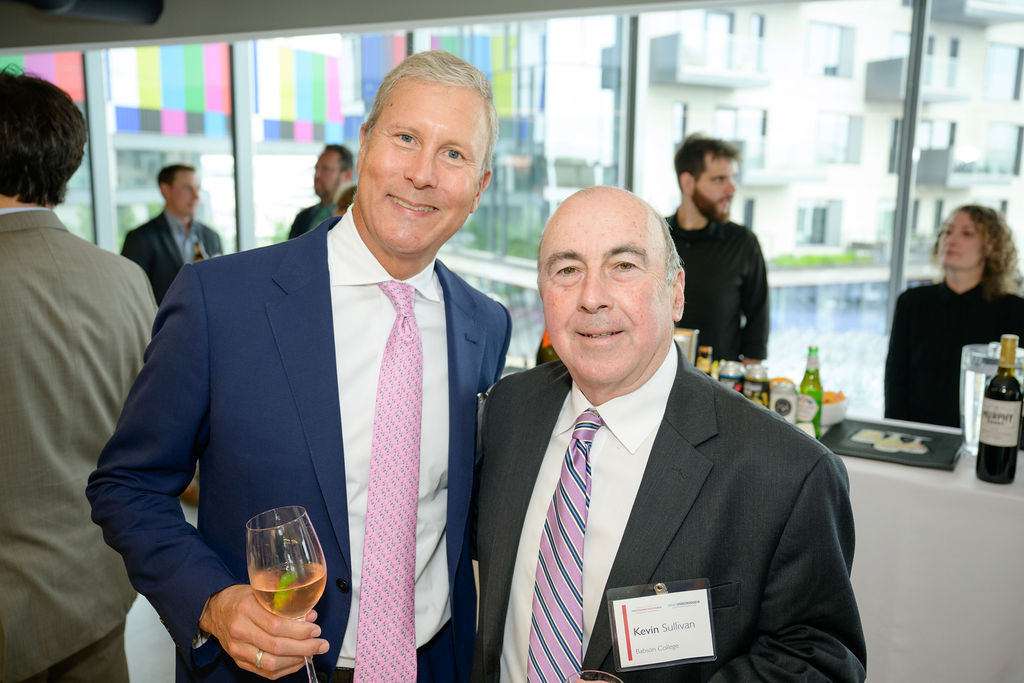
Kevin Sullivan
Vice President of Strategic Corporate Relations & Engagement
Babson College
The leaders of the Council represent diverse sectors, including private industry, academia, and professional services. Their expertise will play a pivotal role in advancing a competitive Massachusetts innovation economy.
Closing Reflections
A Closing Reflection: Leadership for an Uncertain Future
In his closing remarks, Council President Christopher Anderson reflected on the theme that ran through the evening: leadership. Leaders across the Commonwealth, he noted, are operating in an environment defined by disruption and complexity — accelerating technological change, intensifying competition for talent, evolving markets, and growing pressure on institutions. Leadership, he observed, is tested not when conditions are easy, but when the future is uncertain.
Citing recent research in the Harvard Business Review, Anderson offered a thought for the room:
“Courage is not something leaders either possess or lack. It is a capability that is built through experience, preparation, and repeated practice under pressure.”
That insight, he suggested, describes the work ahead for Massachusetts. The future envisioned by MassVision2050 is not guaranteed by world-class universities, innovative companies, or a history of success alone. It will be achieved only if leaders continue to engage — looking beyond quarterly results and election cycles to focus on the long-term competitiveness of the Commonwealth and the opportunities left for the next generation.
It is a role the Council has sought to play for nearly five decades: not as a partisan or political organization, but as a principled advocate for the policies, investments, and actions that strengthen Massachusetts’ ability to compete, innovate, create jobs, and improve the quality of life for its citizens — bringing forward what the facts, data, and experience of its members show the Commonwealth needs, whether that means supporting a proposal or challenging one.
“As we look toward the next chapter of MassVision2050, I am optimistic,” Anderson said, “not because the challenges are small, but because I know the caliber of leaders who are committed to addressing them.”
With gratitude to our host, MilliporeSigma, and to the members, partners, and friends of the Council who joined us for the 2026 Annual Meeting.
Thank You to Our MassVision2050 Sponsors!


